"California turned to space technology this year to curb methane pollution, launching a new program that uses satellite-mounted sensors to spot major leaks in near real time. The $100m effort, funded through the state's cap-and-trade program, sends data to the California Air Resources Board as the satellite passes over the state roughly five times a week. One satellite is already in orbit, with seven more expected to launch in the coming years."
"Scientists at the University of Hawaii at Manoa have discovered that many fungi living around the islands can naturally degrade plastic, with some even being trained to consume the microparticles faster. In February, after testing various marine fungi species, researchers announced that over 60% could break down polyurethane, a common plastic found in consumer and commercial products. By repeatedly exposing the fastest-growing fungi to plastic, researchers also boosted their degradation rates by up to 15% in just three months."
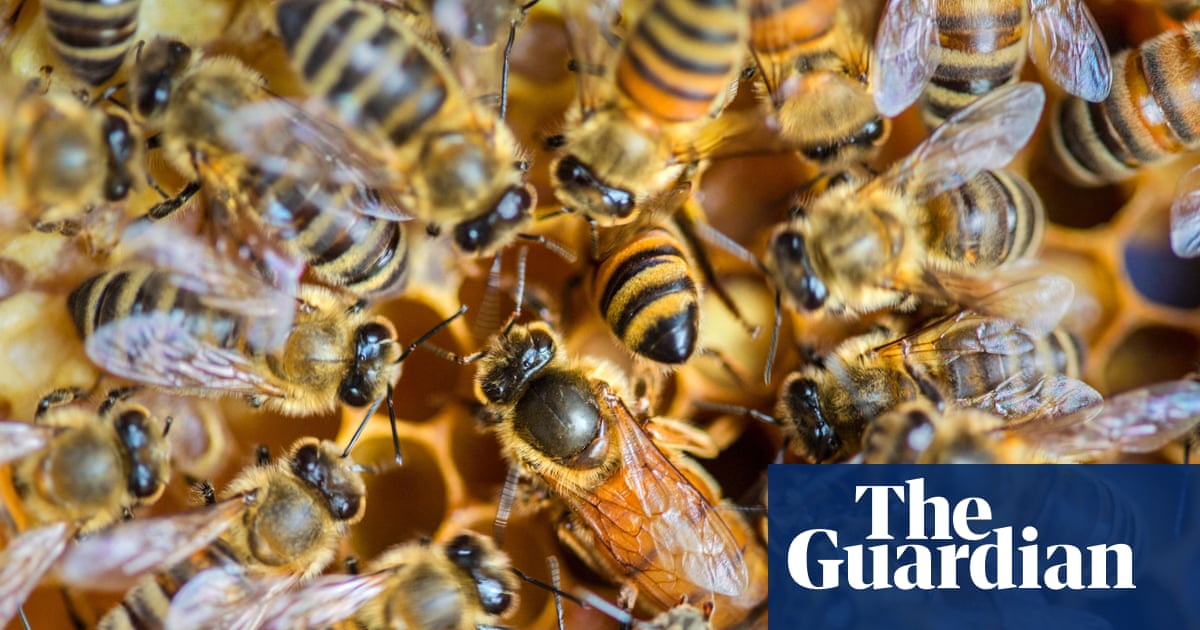
"Scientists have identified key viral drivers behind the massive honeybee die-off that has devastated US beekeepers since early 2025. In a new US Department of Agriculture study awaiting peer review and conducted amid Trump-era funding cuts, researchers found that nearly all sampled colonies carried bee viruses spread by Varroa mites parasites now resistant to amitraz, the primary chemical used to control them. These mites rapidly transmit infections, which can also spill over into wild pollinators."
California launched a $100m satellite program funded by cap-and-trade to detect major methane leaks in near real time, sending data to the California Air Resources Board roughly five times weekly; one satellite is operational and seven more are planned. The system identified and stopped 10 large methane leaks since May, equivalent to removing about 18,000 cars for a year. University of Hawaii researchers found many island fungi can degrade plastics, with over 60% breaking down polyurethane and selective exposure boosting degradation rates by up to 15% in three months. USDA-linked research found widespread bee viruses spread by Varroa mites now resistant to amitraz.
Read at www.theguardian.com
Unable to calculate read time
Collection
[
|
...
]