"We found three key reasons for the enduring drought and its damage: rising temperatures and a La Niña climate pattern; water supply shortages; and lingering economic impacts from the previous drought. For the southern part of the Southern Plains, winter precipitation is closely linked to the El Niño-Southern Oscillation, a climate pattern that affects weather around the world. Five of the past six years exhibited a La Niña pattern, which typically means the region sees winters that are warmer and drier than normal. La Niña was likely the primary driver - although not the only driver - of the drought for Texas and southwest Oklahoma, and one of the reasons drought conditions have continued into 2026."
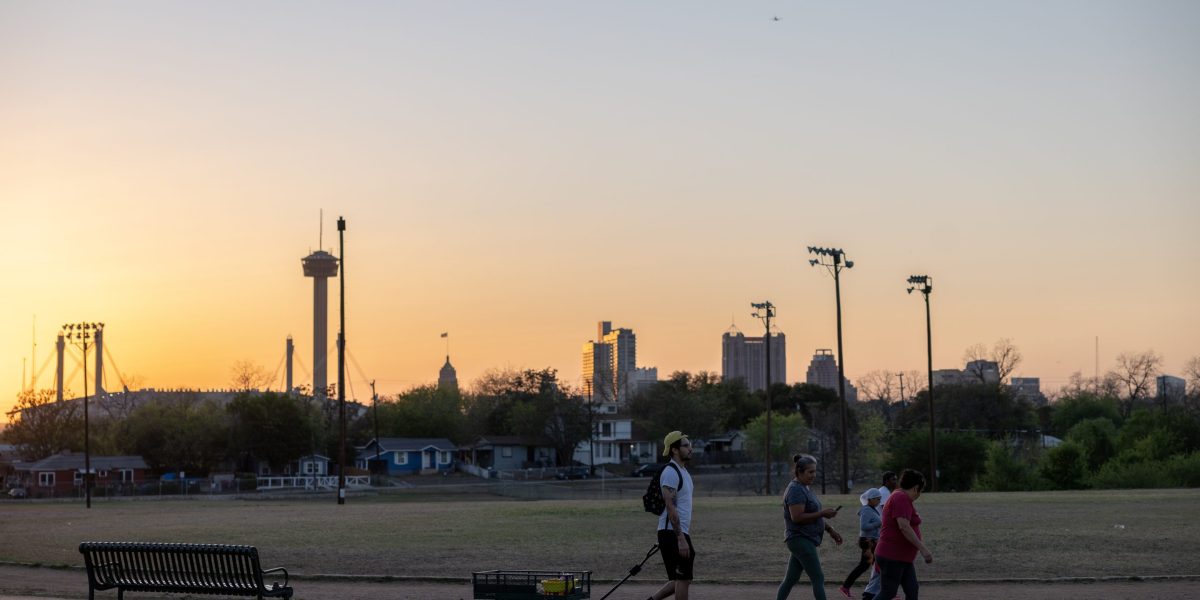
"The heat and dryness since 2020 have left many of the region's rivers, reservoirs and even groundwater reserves well below average. San Antonio's reservoirs all reached record-low levels in 2024 and 2025, as did the Edwards Aquifer, which provides water for roughly 2.5 million people. They were still low as 2026 began. Surface water and groundwater resources across central and western Texas have been depleted to the point that even a few big storms can't replenish them."
"A few major rivers flow into the Southern Plains from other drought-affected regions. Consider the Rio Grande, which begins in Colorado and winds through New Mexico and along Texas' southern border: Not only has the Lower Rio Grande valley in southern Texas missed out on needed precipitation this winter, so did the Rio Grande headwaters in southern Colorado. Colorado is facing a snow drought in winter 2026, as is much of the western U.S. If it continues, there will be less snowmelt come summer to feed rivers, such as the Rio"
Three primary factors have driven the enduring Southern Plains drought: rising temperatures combined with repeated La Niña winters, chronic water supply shortages, and lingering economic impacts from prior drought. La Niña dominated five of the last six years, producing warmer, drier winters that likely intensified drought in Texas and southwest Oklahoma and prolonged conditions into 2026. Rivers, reservoirs and groundwater have been depleted since 2020, with San Antonio reservoirs and the Edwards Aquifer hitting record lows in 2024–2025 and remaining low into 2026. Upstream deficits and a western snow drought reduce river inflows such as the Rio Grande, limiting summer snowmelt that normally replenishes regional waterways.
Read at Fortune
Unable to calculate read time
Collection
[
|
...
]