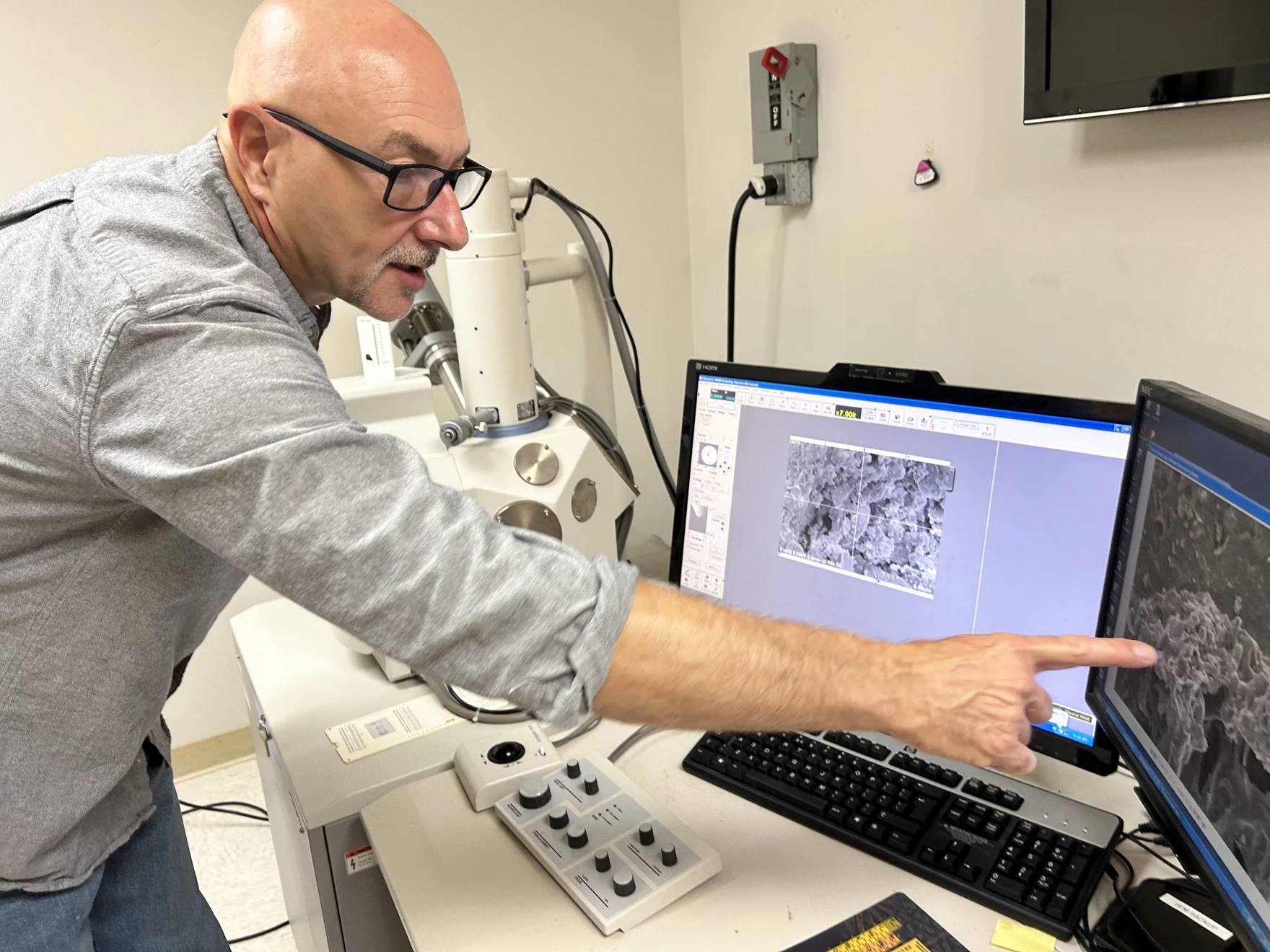
Preliminary tests indicate heavy metals from the January battery fire have entered the nearby estuary food chain at concentrations that can be toxic. Local wildlife, including the threatened southern sea otter, faces exposure risks, and nearby agricultural fields could also be affected. Soil sampling found heavy-metal nanoparticles that accounted for less than 2% of the metals in the burned batteries, leaving about 98% unlocated. Possible destinations for the missing metals include direct deposition into the ocean or transport elsewhere as extremely small particles. Separately, state officials are pressing buy-now-pay-later lenders for disclosures about billing, fees, and dispute handling amid consumer protections changes.
"Preliminary test results from another team of San José State scientists give some indication that the metals, which can be toxic above certain concentrations, have entered the food chain in the nearby estuary."
""Where is the other 98%?" Aiello said. "Some of it might have gone straight to the ocean, but some of it might have traveled elsewhere because those particles are very, very tiny.""
""Buy Now, Pay Later promises all you can want today without needing all the money upfront. This holiday shopping season, in the face of rising prices and other economic challenges, consumers may be tempted to turn to these loans t"
Read at Kqed
Unable to calculate read time
Collection
[
|
...
]