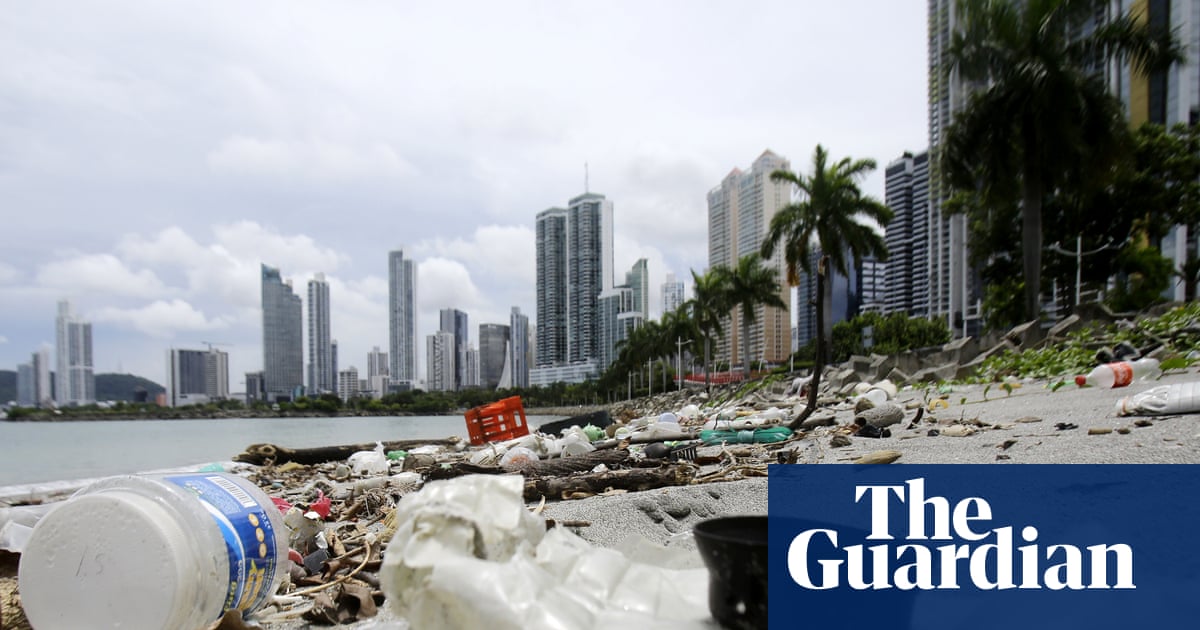
Plastic food wrappers, bottles, lids, and caps are the most common litter items on the world’s shorelines. A global analysis used data from more than 5,300 coastal litter surveys and 355 existing studies. The analysis covered 94 countries and estimated additional data for 18 more countries. Food and drink-related plastics appeared in coastal litter in 93% of places, making them the most prevalent litter type. Plastic bags appeared in 39% of countries and cigarettes in 38%. Regional differences were observed, including consistently high plastic bag presence in Asia. A ban on plastic bags did not always reduce waste, potentially due to weak enforcement or waste exported from other countries.
"Plastic food wrappers, bottles, lids and caps are by far the most common items of litter found on the world's shorelines, a study has found. Researchers looked at data from more than 5,300 surveys of coastal litter to produce the first global analysis of its kind. They found the data in 355 existing studies on the subject. It's the everyday stuff that we're using, said Richard Thompson, the founder of the University of Plymouth's international marine litter research unit."
"To produce the analysis, published in the journal One Earth, the researchers looked at data from hundreds of studies and sources, searching for surveys of shoreline litter that were similar in methodology and provided data on the type of litter recorded. Their confidence in the figures for each country was based on how many studies they found for that country and other factors. The information they collected spanned 94 countries, and the team was able to extrapolate from that data to include estimates for another 18 countries."
"Food and drink-related plastics turned up in coastal litter in 93% of those places. No other form of litter was as prevalent. Plastic bags appeared in data from 39% of countries and cigarettes in data from 38% of countries. There were, however, some regional variations. Plastic bags, for example, were consistently prevalent in Asia."
"The study also noted that a ban on plastic bags did not necessarily mean a country had less of such waste poor policy enforcement or other countries exporting their waste was suggested as a reason for this. The study did not in"
Read at www.theguardian.com
Unable to calculate read time
Collection
[
|
...
]