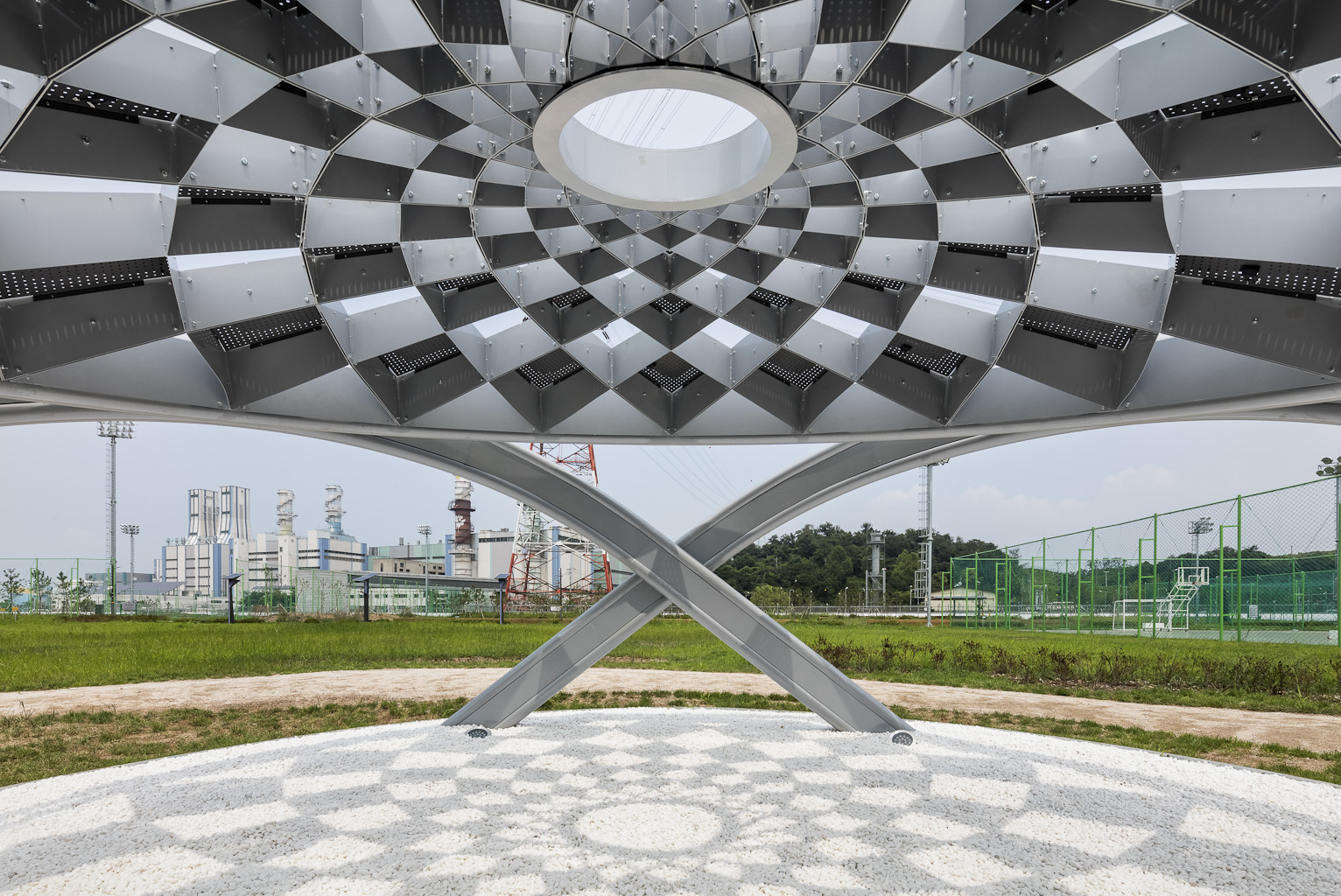
"January 26 marks the International Day for Clean Energy, an initiative aimed at raising awareness and mobilizing action for an inclusive transition from fossil fuels, such as coal, oil, and natural gas, to power generation systems with lower greenhouse gas emissions and fewer pollutants. The term "clean" signals a fundamental shift away from extractive, finite, and exhaustible energy sources toward systems based on renewable resources or on capturing energy embedded in natural processes."
"However, being labeled "clean" does not exempt these systems from the impacts associated with their production, deployment, and commercialization. In this context, architectural knowledge related to space, materiality, and habitation becomes relevant for supporting a transition toward energy systems that are sustainable over time. As stated by the United Nations, the science is clear: to limit climate change, reliance on fossil fuels must end, and buildings must be heated, lit, and electrified through clean, accessible, affordable, sustainable, and reliable power sources."
January 26 marks a global focus on shifting from fossil fuels to lower-emission power systems and mobilizing inclusive action. Clean energy denotes moving away from extractive, finite sources toward renewables or harnessing natural processes. Clean energy reduces greenhouse gases and expands reliable power access, but production, deployment, and commercialization can still produce impacts. Architectural knowledge of space, materials, and habitation supports long-term sustainable energy transitions. The United Nations states that ending fossil fuel reliance and electrifying buildings with clean, accessible, affordable, sustainable, and reliable power is necessary. Energy production remains a major source of emissions and territorial inequalities persist, limiting development.
Read at ArchDaily
Unable to calculate read time
Collection
[
|
...
]