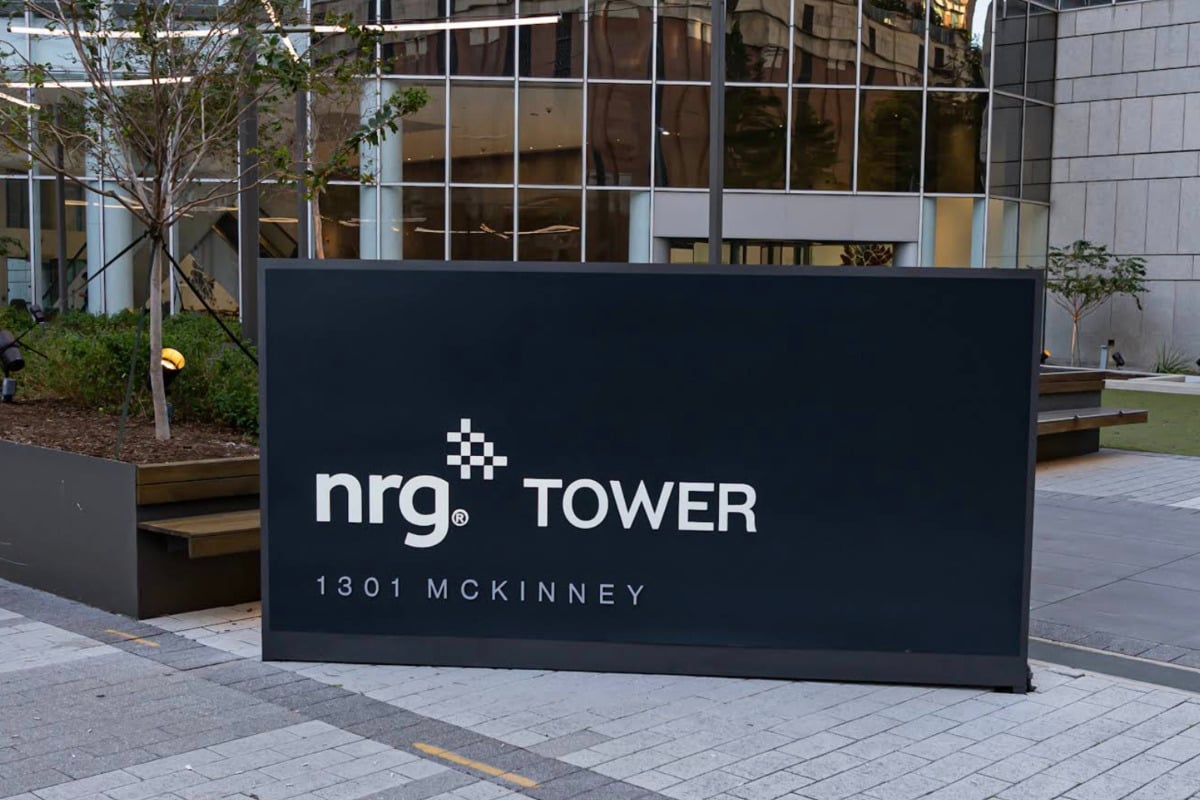
"NRG has officially taken over the Ravenswood Generating Station in Long Island City, putting New York City's largest fossil-fuel power complex under Texas control after a deal that closed at the end of January. The waterfront site, home to three 1960s steam generators and a newer combined-cycle unit, supplies a big share of the city's locally generated electricity and has long been floated as a future clean energy hub."
"NRG confirmed on Jan. 30 that it had closed on a purchase that adds roughly 13 gigawatts of capacity and 18 natural-gas plants to its fleet, a move the company described as roughly doubling its generation footprint. Business Wire carried the announcement. Industry coverage and regulatory material that followed later flagged Ravenswood as one of the assets changing hands, placing the Long Island City plant inside NRG's portfolio. Utility Dive reported on those specifics."
"The 27-acre Ravenswood property sits on Vernon Boulevard across from NYCHA developments and has historically supplied roughly one-fifth of New York City's in-city generation, a level of output that makes the plant a critical piece of both the local grid and the surrounding neighborhood. NY1 has detailed the plant's local role. Federal greenhouse-gas figures show the facility emitted about 1.29 million metric tons of CO2e in 2023, a reminder of why residents and public health advocates have pushed for cleaner alternatives for years."
NRG closed an acquisition at the end of January that added roughly 13 gigawatts and 18 natural-gas plants to its fleet and placed the Ravenswood Generating Station under Texas ownership. The 27-acre Ravenswood site supplies about one-fifth of New York City's in-city generation and emitted approximately 1.29 million metric tons of CO2e in 2023. Neighbors, tenant groups and elected officials are seeking clarity on whether NRG will continue running aging steam and gas-fired units or pursue a clean-energy transition. Rise Light & Power previously proposed Renewable Ravenswood to retire older steam units and replace them with offshore wind, battery storage and new transmission while preserving jobs.
Read at Hoodline
Unable to calculate read time
Collection
[
|
...
]