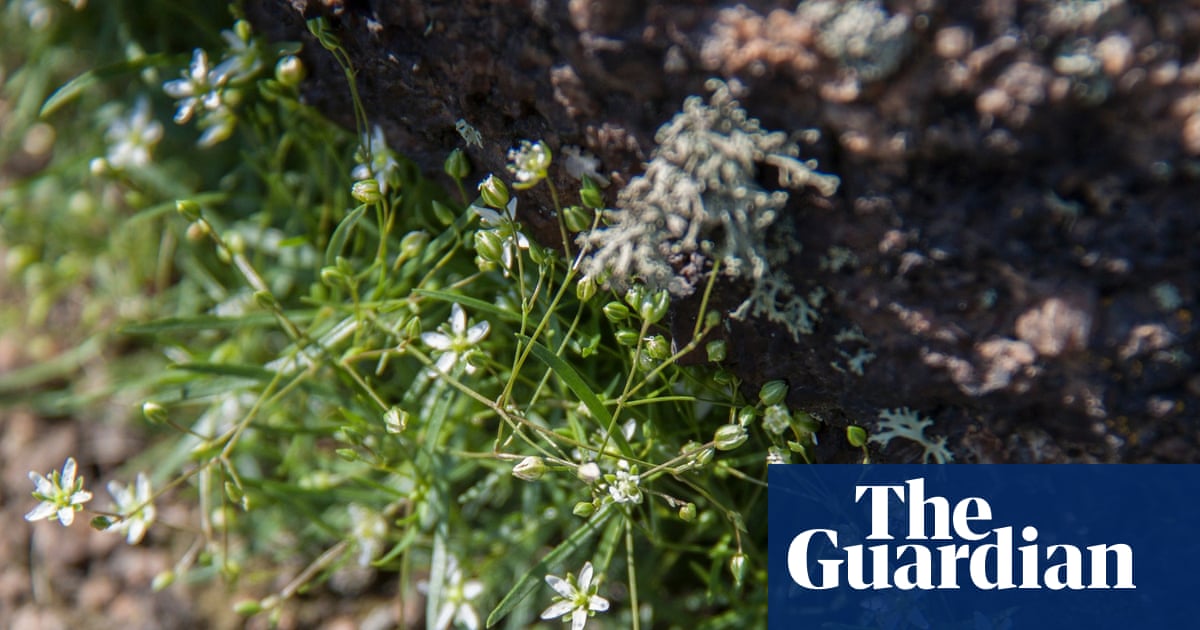
Larisa Kolder operates a microclonal plant propagation laboratory in Uman that cultivates Moehringia hypanica seedlings despite frequent power outages. Twenty-three seeds arrived recently; two developed into cloneable plants and the lab now hosts a small grove including 80 rooted seedlings, aiding biodiversity conservation during Russia's war on Ukraine. Key biodiversity research sites in Crimea and Kherson, including the Nikitsy Botanical Garden and Nova Kakhovka station, have been lost since 2014 and 2022. Ukraine contains roughly 35% of Europe's biodiversity while covering under 6% of its land, with many rare species concentrated in the steppe and Crimean zones.
"In the basement laboratory of the National Dendrological Park Sofiyivka, Larisa Kolder tends to dozens of specimens of Moehringia hypanica between power outages. Just months earlier, she and her team at this microclonal plant propagation laboratory in Uman, Ukraine, received 23 seeds of the rare flower. Listed as threatened in Ukraine's Red Book of endangered species, Moehringia grows nowhere else in the wild but the Mykolaiv region of Ukraine."
"Of those 23 seeds, only two grew into plants that Kolder and her colleagues could clone in their laboratory, but now her lab is home to a small grove of Moehringia seedlings, including 80 that have put down roots in a small but vital win for biodiversity conservation amid Russia's war with Ukraine. Before Russia annexed Crimea in 2014 and then invaded Ukraine in 2022,"
#moehringia-hypanica #biodiversity-conservation #microclonal-propagation #war-impacts-on-environment
Read at www.theguardian.com
Unable to calculate read time
Collection
[
|
...
]