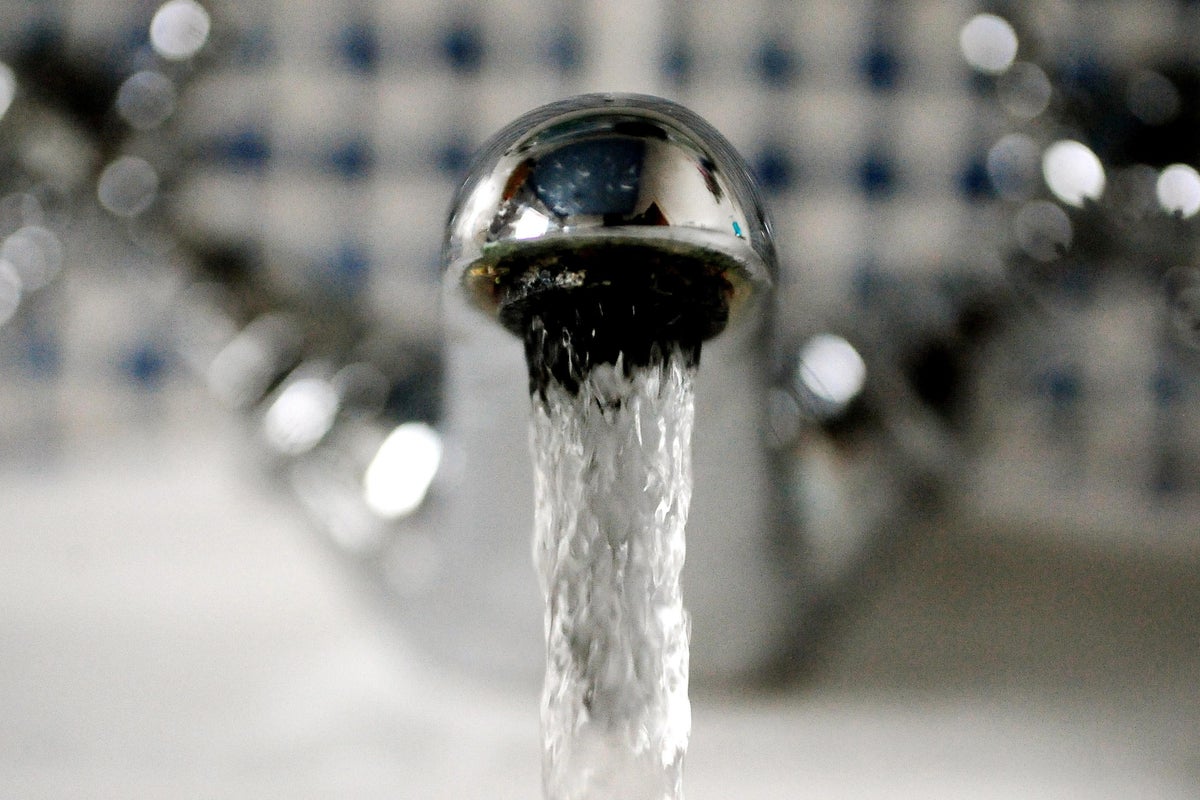
"Researchers say their findings could greatly improve pollution control, although they face multiple challenges before the technology can be deployed at scale. The scientists outline in a new paper how a layered double hydroxide (LDH) material made from copper and aluminium could absorb long-chain PFAS at an ultrafast speed. This could be up to 100 times the rate of current filtration systems, according to reports."
"Forever chemicals so-called because they do not degrade have been used in a variety of consumer and commercial applications since the 1950s. They can repel water and oil, resist high temperatures and act as surfactants by helping different types of liquids mix. There are around 15,000 different PFAS chemicals. Each one has a slightly different chemical composition, but they all have at least two carbon-fluorine bonds. These extremely strong bonds mean that PFAS do not readily break down."
Reporting spans reproductive rights, climate change and Big Tech, with on-the-ground journalists investigating issues such as political PAC finances and producing documentaries about women fighting for reproductive rights. Donations fund continued reporting, allow journalists to present both sides, and support paywall-free access to quality journalism paid for by those who can afford it. New filtration materials based on copper–aluminium layered double hydroxide (LDH) can absorb long-chain PFAS at ultrafast rates, potentially up to 100 times faster than current systems, though multiple challenges remain before large-scale deployment. PFAS are persistent chemicals used since the 1950s that resist degradation due to strong carbon–fluorine bonds.
Read at www.independent.co.uk
Unable to calculate read time
Collection
[
|
...
]