"That epic energy bill comes with another cost, albeit the kind that won't show up on the developers' books. On top of the nine gigawatts of power, the facility will produce another 7 to 8 gigawatts of energy in the form of waste heat, according to Robert Davies, a physics professor at Utah State University who shared his calculations with The Salt Lake Tribune. That brings its entire "thermal load" to a jaw-dropping 16 gigawatts."
"Exacerbating the issue, the Stratos Project is anticipated to use on-site gas power generators that run round the clock, allowing the facility to operate off the local power grid - a common modus operandi for large scale data centers that need a way to quickly secure huge amounts of electricity. The problem, however, is that this concentrates all the waste heat into the same area, when it's typically dispersed far from the power plant itself at the homes and businesses it sends power to."
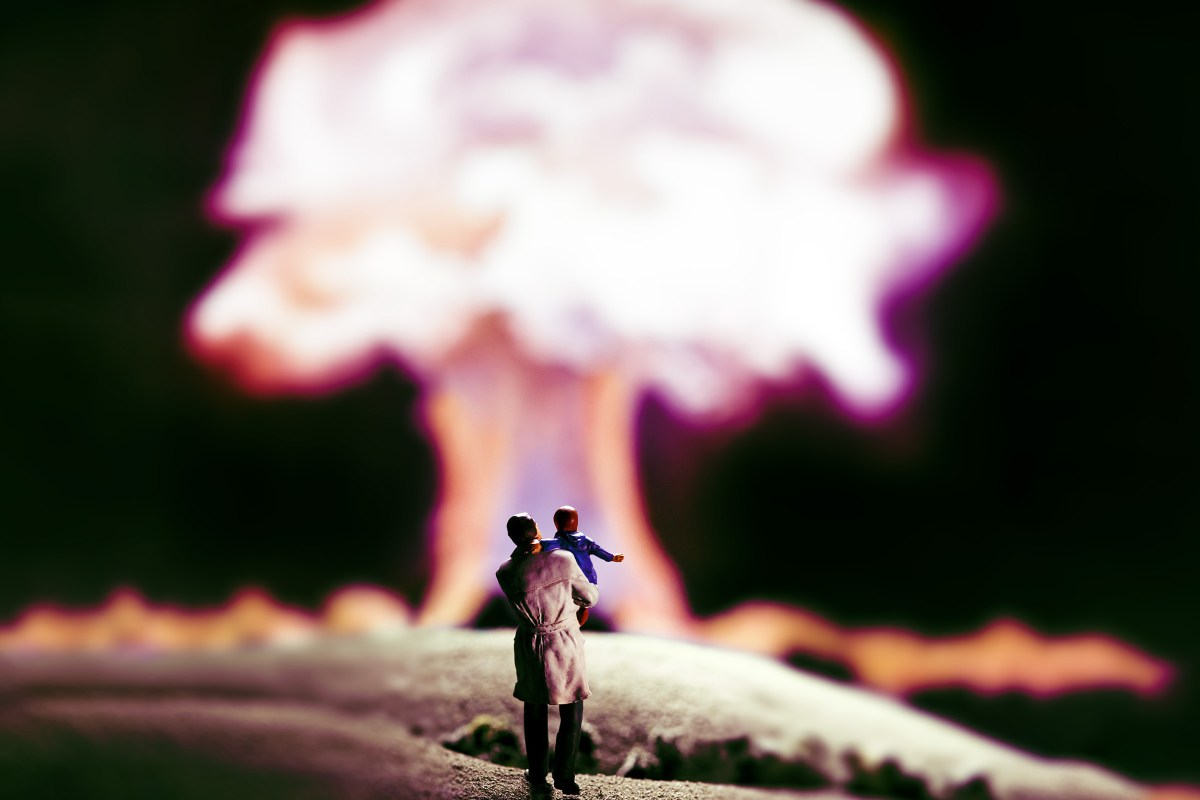
"And that area, in the case of the Stratos Project, is the Hansel Valley, which already acts as a bowl for trapping air. The magnitude of the disruption is difficult to comprehend. In a jaw-dropping illustration, Davies calculated that the project would be the "equivalent of about 23 atom bombs worth of energy dumped into this local environment every single day.""
""What happens if you deposit that much energy continuously into a topography like this?" Davies told The Salt Lake Tribune. "Right at the north end of the Great Salt Lake, a watershed that's in collapse. A high desert environment? A valley?""
A proposed hyperscale data center in Box Elder County, Utah, would consume up to nine gigawatts of electricity and generate an additional 7 to 8 gigawatts of waste heat, creating a total thermal load of about 16 gigawatts. The facility is expected to rely on on-site gas generators running continuously, reducing dependence on the local power grid. Concentrating waste heat in one location differs from typical power generation, where heat is dispersed away from end users. The waste heat would be deposited in Hansel Valley, an area that already traps air. Calculations indicate the daily energy input would be comparable to about 23 atom bombs worth of energy, raising concerns about impacts on a vulnerable watershed and local ecology.
#hyperscale-data-centers #waste-heat-and-thermal-load #environmental-impact #energy-generation-and-grid-independence #utah-great-salt-lake-region
Read at Futurism
Unable to calculate read time
Collection
[
|
...
]