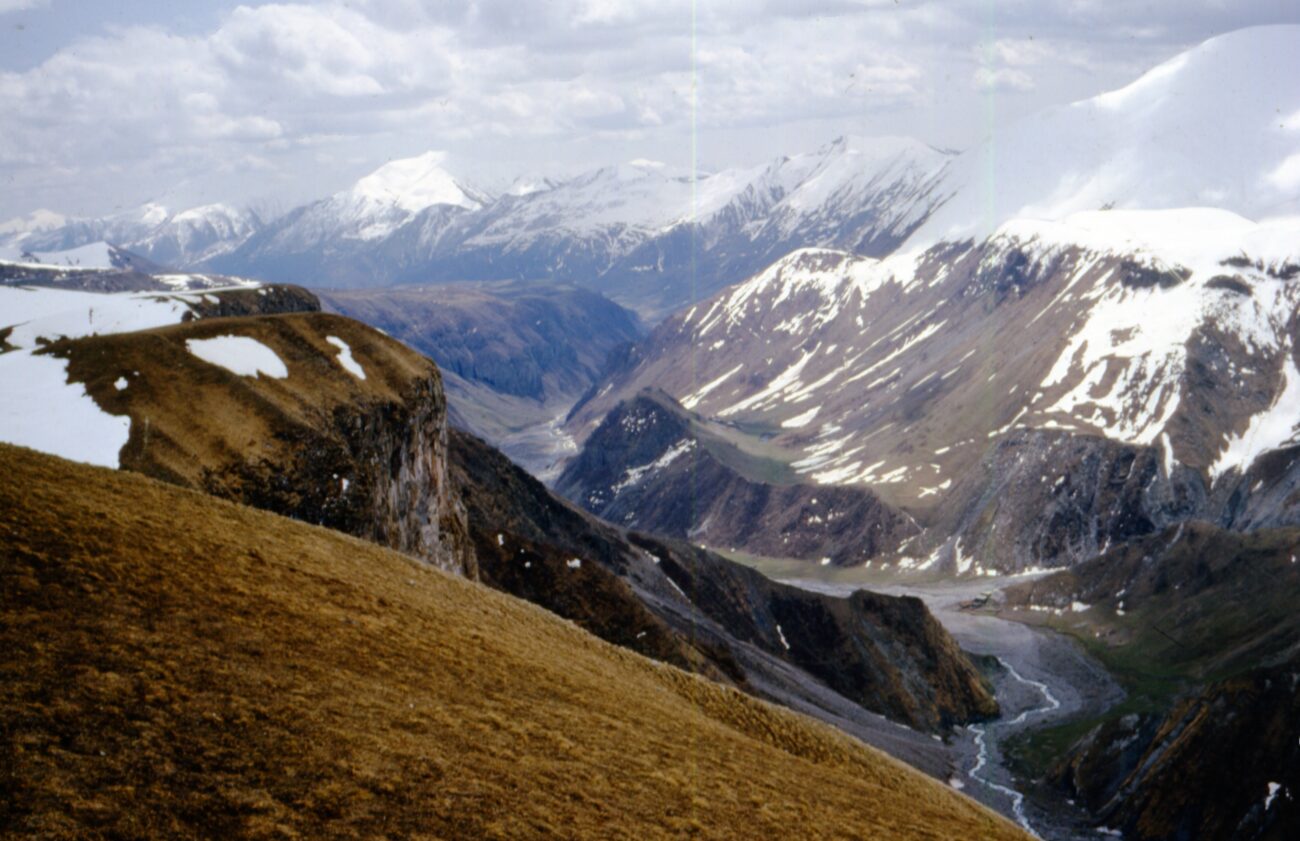
"The world's largest climate fund recently approved $250 million in funding for Glaciers to Farms, a program aimed at supporting nine glacier-dependent developing countries: Armenia, Azerbaijan, Georgia, Kazakhstan, the Kyrgyz Republic, Pakistan, Tajikistan, Turkmenistan and Uzbekistan. This noteworthy contribution by the Green Climate Fund (GCF) will be complemented by $3.25 billion in co-financing from the Asia Development Bank, which will be invested over the next few decades."
"The Glaciers to Farms program will implement 25 projects across four major glacier-fed river basins that will strengthen agricultural systems, expand glacier and hydrological monitoring, improve water governance and watershed management, build local climate finance capacity, and deliver social and public health services to vulnerable communities. The scale and scope of the program underscore that glacier melt creates cascading impacts to water security, food systems, economic stability and livelihoods across mountain regions."
"Accelerated glacier melt due to rising global temperatures is particularly significant for high mountain areas, where glaciers are expected to retreat at faster rates. As glaciers melt, communities face both short- and long-term risks, including decreased freshwater availability and increased natural hazards, including avalanches, floods, landslides, mudslides and droughts."
Glaciers to Farms received $250 million from the Green Climate Fund and $3.25 billion in co-financing from the Asia Development Bank to be invested over the coming decades. The program targets nine glacier-dependent developing countries across Central and South Asia and the Caucasus. Twenty-five projects across four glacier-fed river basins will strengthen agricultural systems, expand glacier and hydrological monitoring, improve water governance and watershed management, build local climate finance capacity, and deliver social and public health services to vulnerable communities. Accelerated glacier melt threatens freshwater availability and increases natural hazards, endangering water security, food systems, economies, and mountain livelihoods.
Read at State of the Planet
Unable to calculate read time
Collection
[
|
...
]