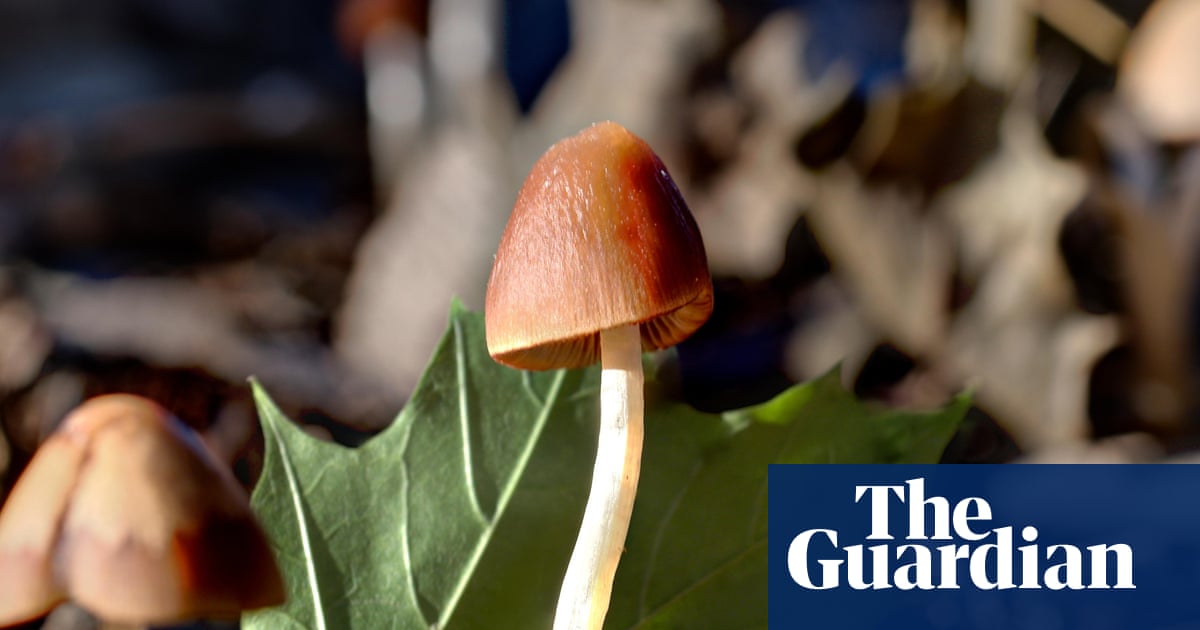
"From the outside, it looks like any ordinary nappy one of the tens of billions that end up in landfill each year. But the Hiro diaper comes with an unusual companion: a sachet of freeze-dried fungi to sprinkle over a baby's gloopy excretions. The idea is to kickstart a catalytic process that could see the entire nappy plastics and all broken down into compost within a year."
"First, people are beginning to appreciate that fungi are neither plants nor animals, but their own vast and largely unexplored kingdom with extraordinary biological abilities, he said. Second, practical demonstrations fungal packaging, fungal leather, fungal insulation, even fungal electronics have shown that these organisms can replace or augment many industrial materials. Third, we're facing urgent global challenges: waste, pollution, biodiversity loss, and climate stress. Fungi thrive in environments that humans consider harsh or dirty, and they can turn low-value resources into something useful."
Hiro nappies include a sachet of freeze-dried fungi that is sprinkled onto excretions to catalyze decomposition, potentially converting entire nappies, including plastics, into compost within a year. Innovative fungal applications have been recognized for addressing environmental challenges. Fungi form mycelium networks that can be cultivated into strong, lightweight materials from agricultural waste. Some fungal species secrete powerful enzymes that break down wood, petroleum-like compounds and various plastics. These organisms can replace or augment industrial materials such as packaging, leather and insulation, while thriving in harsh environments and converting low-value resources into useful products.
Read at www.theguardian.com
Unable to calculate read time
Collection
[
|
...
]