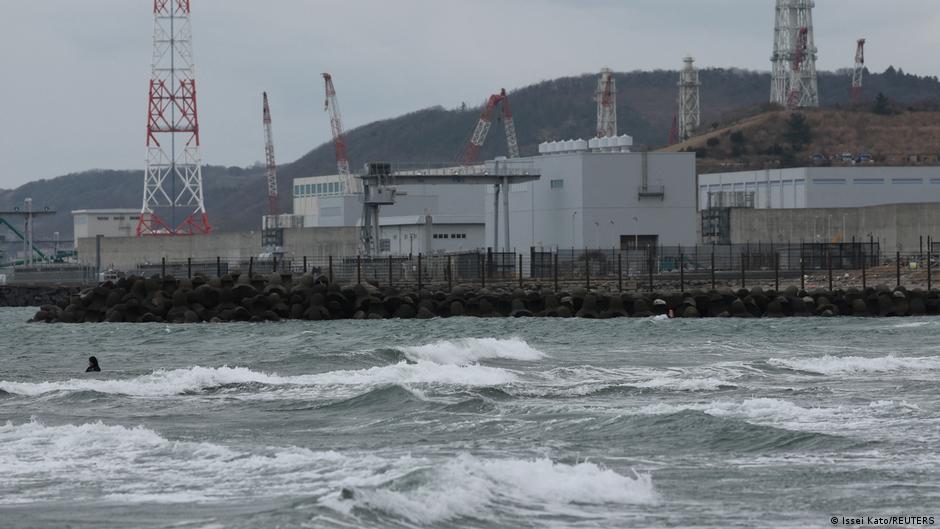
Niigata Prefecture's assembly approved TEPCO's request to restart the Kashiwazaki-Kariwa nuclear plant, permitting one of seven reactors to resume operations possibly by January 20. The plant is on Japan's north coast about 220 kilometers northwest of Tokyo and would be TEPCO's first restart since the 2011 Fukushima disaster. Japan shut all 54 reactors immediately after Fukushima; 14 of the 33 operationally viable units have since restarted while 21 older units are being decommissioned. TEPCO states it has learned lessons from Fukushima and completed safety upgrades including sea defenses, watertight doors, improved filtration, and expanded emergency teams. Many residents and campaigners remain worried because Japan is highly seismically active.
"TEPCO has indicated that it will restart one of the seven reactors at the plant as soon as January 20. Japan ordered the shutdown of all 54 nuclear power stations across the country in the immediate aftermath of the disaster at the Fukushima Daiichi plant in March 2011. Three of the six reactors at the plant suffered catastrophic breaches at the time after being hit by a powerful earthquake and tsunami, releasing huge amounts of radiation into the atmosphere."
"The company has emphasized in statements that it has "learned the lessons of Fukushima" and that safety upgrades have been verified in multiple inspections, with new sea defenses and watertight internal doors as well as improved filtration systems and a greater emergency response team. Yet, many remain worried, not least because Japan remains one of the most seismically active and earthquake-prone nations in the world."
"Lawmakers in Japan's Niigata Prefecture have approved a request from the operator of the world's largest nuclear power plant to resume operations, overriding the concerns of local residents and anti-nuclear campaigners. The prefectural assembly voted on Monday to permit Tokyo Electric Power Company (TEPCO) to restart the Kashiwazaki-Kariwa plant, on the north coast of Japan and about 220 kilometers (136 miles) northwest of the capital Tokyo."
Read at www.dw.com
Unable to calculate read time
Collection
[
|
...
]