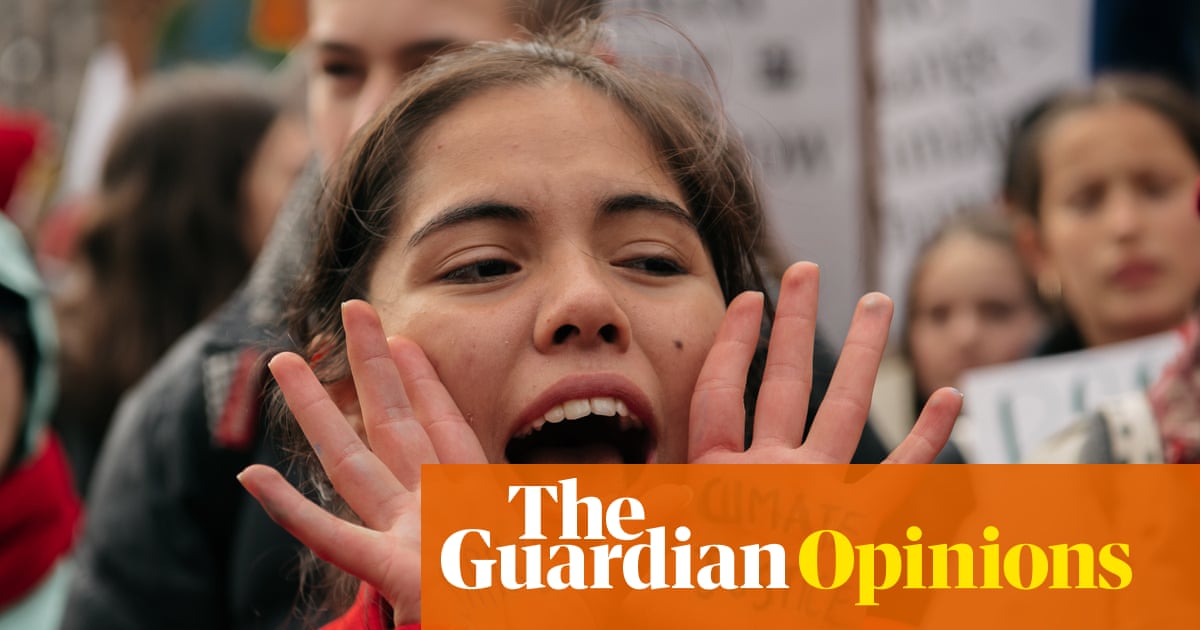
"It's been painful to see so many families and entire communities devastated by fires, floods, extreme heat, sea level rise and food shortages. But what's given me hope during these six years of reporting as both an environmental and climate justice reporter are the people fighting to save our planet from catastrophe in their communities, on the streets and in courtrooms across the world."
"I have always tried to use a justice and equity lens in my journalism on the causes, impacts and solutions relating to the climate crisis. For me, that has meant telling the stories of people who are often ignored or sidelined despite their lived experience and expertise especially Indigenous people, protesters, activists and local communities fighting back. I have also tried to examine how the climate crisis intersects with and often exacerbates other forms of inequity, such as economic inequality, racism, misogyny, land struggles and unequal access to housing and healthcare."
Communities face devastation from fires, floods, extreme heat, sea level rise and food shortages. Hope comes from people fighting to save the planet in communities, streets and courtrooms. A justice and equity lens centers Indigenous peoples, protesters, activists and local communities in examining causes, impacts and solutions. The climate crisis intersects with and often exacerbates economic inequality, racism, misogyny, land struggles and unequal access to housing and healthcare. Contributions to the crisis and its impacts are unequal, and resources to cope or solve it remain unevenly distributed. Grassroots organizers and frontline communities scored major victories and are reshaping the climate fight.
Read at www.theguardian.com
Unable to calculate read time
Collection
[
|
...
]