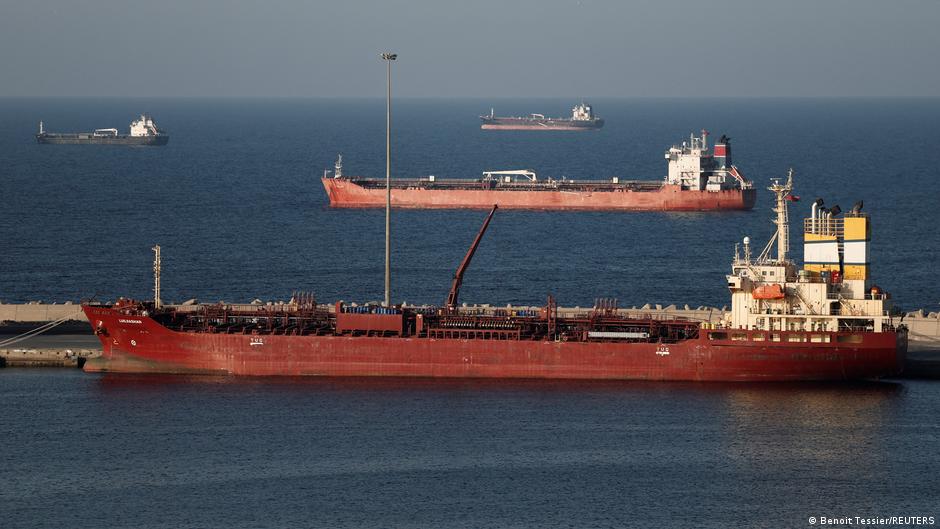
Escalating Middle East conflict threatens global energy security as attacks on critical infrastructure and the Strait of Hormuz—which transports 20% of world oil and gas—disrupt fuel supplies. This supply squeeze raises prices globally and intensifies cost-of-living pressures. The world remains 80% dependent on fossil fuels, making economies vulnerable to geopolitical shocks. Countries with higher shares of domestically-generated renewable energy are less vulnerable to these disruptions. Renewable energy sources like wind and solar produce power within national borders, providing greater energy independence. However, renewable technologies require global supply chains that can also face disruption from geopolitical tensions.
"Energy is the lifeblood of our societies and our industries. And we're still highly dependent on fossil fuels. The world still gets about 80% of its primary energy from fossil fuels, the main source of greenhouse gas emissions driving climate change."
"Countries with a higher share of homegrown renewables in their energy mix are less vulnerable to these shocks. The energy renewables produce typically comes from within national borders, providing greater energy independence compared to fossil fuel imports."
"The crucial waterway used to transport 20% of the world's oil and gas. The disruption means fuel may struggle to reach the countries that depend on it to generate electricity, heat homes, power industry and run transport. The resulting supply squeeze is pushing prices higher around the world."
#renewable-energy-resilience #geopolitical-energy-security #fossil-fuel-dependence #middle-east-conflict-impact #energy-independence
Read at www.dw.com
Unable to calculate read time
Collection
[
|
...
]