""We build full-size structures and we can control the wind speed and direction," says Roy Wright, president and CEO at IBHS. "We can control the ember flow and the cast that is coming in that direction. We put out and publish really interesting, wonky things about wildfire. But [with the new standards] we said, let's just take the most important pieces of the science and make them really plain and usable for developers and homeowners.""
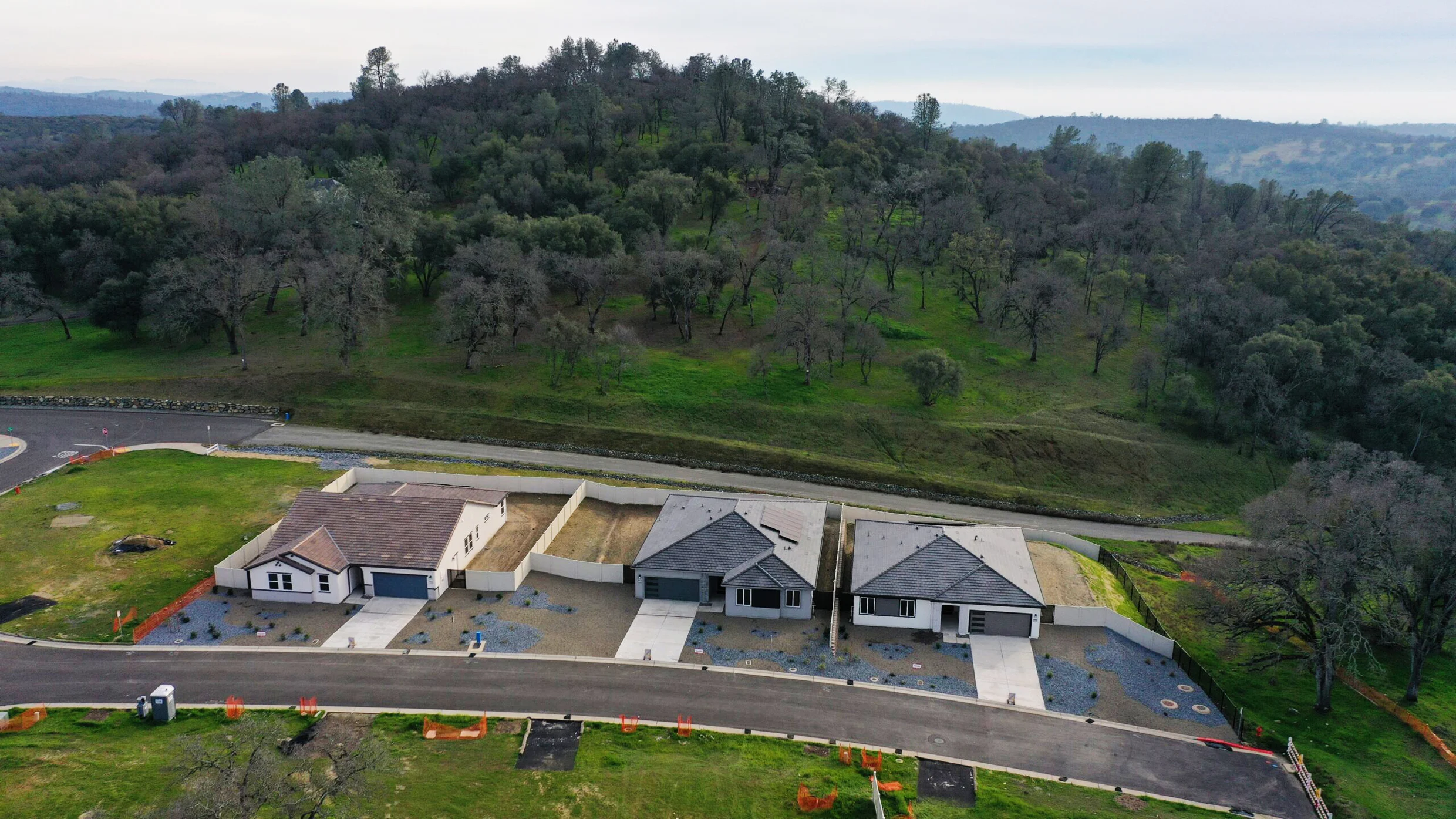
"Each house goes farther than California's latest building requirements for high-fire-risk zones, from enclosed, ember-resistant eaves to dual-paned, tempered glass windows that can better withstand extreme heat in a fire. The design considers not just each house, but how homes interact, spacing buildings at least 10 feet apart and removing combustible features to prevent fire from spreading between them. Called Stone Canyon, it's one of the state's first "Wildfire Prepared Neighborhoods,""
Stone Canyon, a new neighborhood near Sacramento in the Sierra Nevada foothills, is designed to withstand wildfires at a neighborhood scale. Homes exceed California's high-fire-risk building requirements with enclosed, ember-resistant eaves and dual-paned tempered glass. The neighborhood design spaces buildings at least 10 feet apart and removes combustible features to limit fire spread between houses. IBHS developed the Wildfire Prepared Neighborhoods standard after controlled full-size wildfire tests that simulate embers and wind. KB Home adopted the standards after observing an IBHS demonstration comparing building-code homes with IBHS-standard homes under ember exposure. The goal is clearer, practical fire-resilient design for developers and homeowners.
Read at Fast Company
Unable to calculate read time
Collection
[
|
...
]