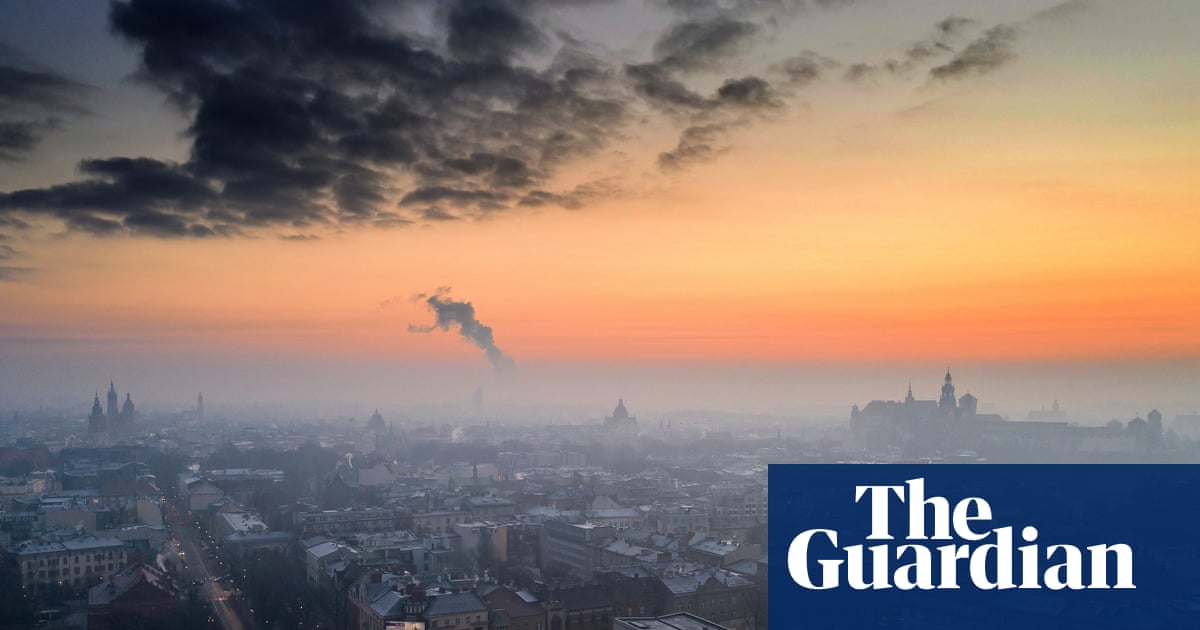
Marcel Mazur experienced Krakow's smog as a child and now treats respiratory patients harmed by toxic air. Krakow implemented restrictions on burning coal and wood in home heating starting in 2013 and a full ban on solid fuels in 2019, accompanied by subsidies to replace dirty stoves and boilers. Black carbon and PM2.5 levels fell substantially, reducing days with high particulates from about 150 to 30 annually. An assessment attributed averted deaths of 5,897—nearly 6,000—over a decade to lower soot. Pediatric asthma cases declined 17% and allergic rhinitis 28% from 2008 to 2018. Researchers estimated impacts using PM2.5 measurements and black carbon fractions.
"As a child, Marcel Mazur had to hold his breath in parts of Krakow thick with so much smoke you could see and smell it. Now, as an allergy specialist at Jagiellonian University Medical College who treats patients struggling to breathe, he knows all too well the damage those toxic gases do inside the human body. It's not that we have this feeling that nothing can be done. But it's difficult, Mazur said."
"Krakow, long known as the smog capital of Poland, is proof that politicians wield the power to save lives by cleaning the air. A drop in soot levels since 2013, when the city announced it would ban coal and wood in home heating, has averted nearly 6,000 early deaths over a decade, according to an expert assessment shared exclusively with the Guardian."
"Anna Dworakowska, a co-founder and director of Polish Smog Alert, said: It's a huge improvement.. Polish Smog Alert is a network of campaign groups that began in Krakow and led a nationwide push to improve the quality of Poland's air. Little more than 10 years ago, we had about 150 days a year with too-high concentrations of particulates in Krakow. Now it's down to 30, Dworakowska added."
Read at www.theguardian.com
Unable to calculate read time
Collection
[
|
...
]