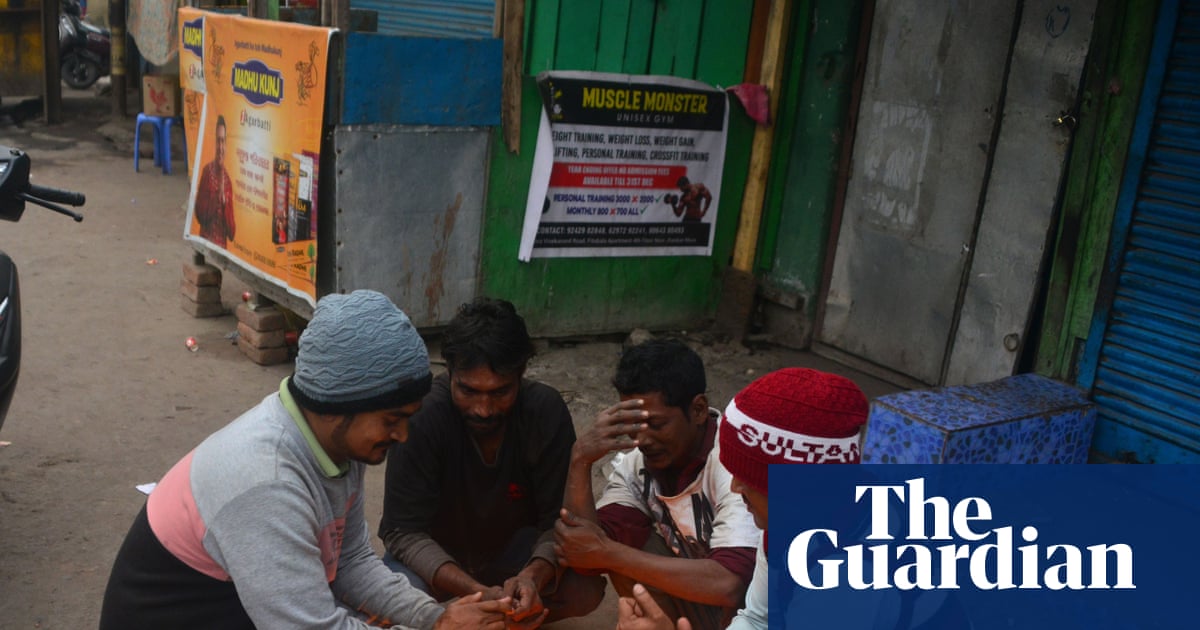
Household burning of plastic for heating and cooking occurs widely across developing countries. More than 1,000 respondents across 26 countries reported one in three people aware of household plastic burning and 16% admitting to burning plastic themselves. Respondents worked with low-income urban neighbourhoods and included researchers, government workers and community leaders. When families lack affordable cleaner fuels and reliable waste collection, plastic becomes both nuisance and last-resort energy. People burn bags, wrappers, bottles and packaging to meet basic needs. Burning plastic emits dioxins, furans and heavy metals, contaminates food, and poses inhalation risks in confined spaces.
"The household burning of plastic for heating and cooking is widespread in developing countries, suggests a global study that raises concerns about its health and environmental impacts. The research, published in the journal Nature Communications, surveyed more than 1,000 respondents across 26 countries. One in three people reported being aware of households burning plastic, while 16% said they had burned plastic themselves."
"When families can't afford cleaner fuels and have no reliable waste collection, plastic becomes both a nuisance and a last-resort energy source. We found evidence of people burning everything from plastic bags and wrappers to bottles and packaging, just to meet basic household needs, Bharadwaj said in a statement. The practice is far more widespread than anyone realised, but because it happens in marginalised communities and is often hidden, it has escaped meaningful global attention despite the severe risks to health and the environment."
"The researchers surveyed people in low- and middle-income countries in Asia, Africa and Latin America, and suggest that plastic burning does not result solely from energy poverty, but also represents a vital informal solution in many settings to cope with a high rate of mismanaged plastic. The study's authors highlighted health risks such as inhalation of toxic emissions in confined spaces as well as contamination of food."
Read at www.theguardian.com
Unable to calculate read time
Collection
[
|
...
]