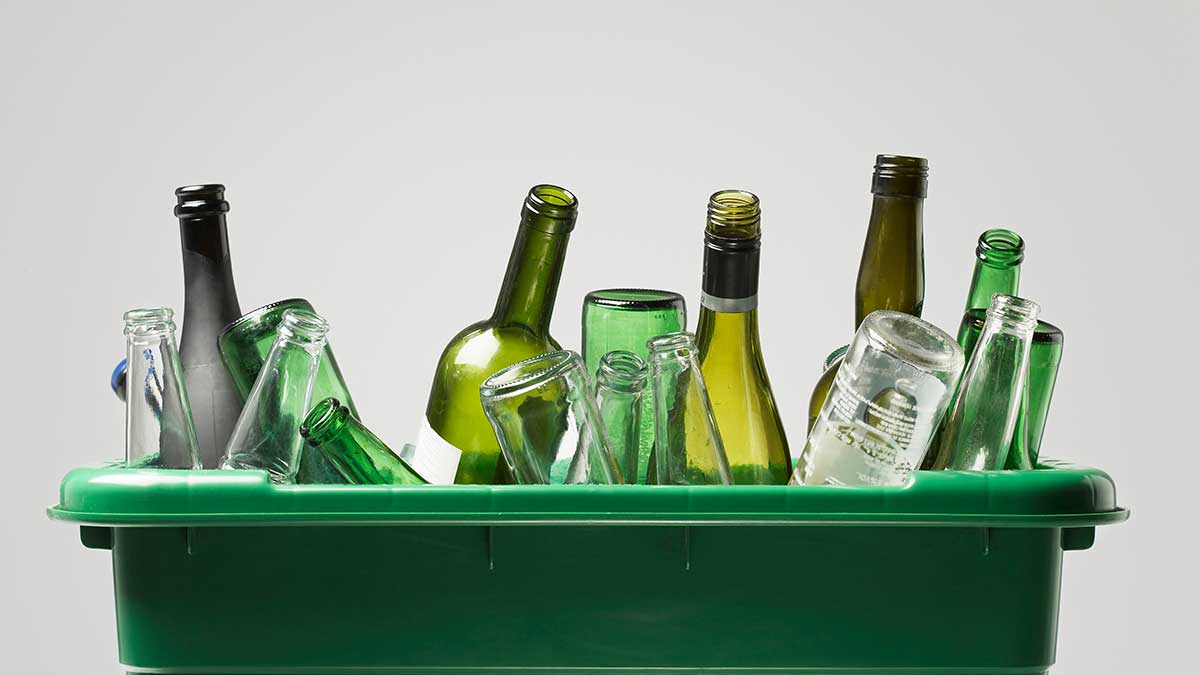
"The average American household uses about 150 pounds of glass containers each year, but more than two-thirds of that glass never gets recycled into new bottles. This isn't because people aren't trying. Glass is now the only common packaging material that costs recycling facilities more to process than they make from selling it, and the U.S. recycling system has been adapting to this problem for the past twenty years."
"According to the EPA, the U.S. has recycled about 31 percent of its glass containers for the past ten years. In contrast, the European Union collected 80.8 percent of its glass containers in 2023. This gap isn't because of how people act, but because of differences in infrastructure, policies, and the fact that glass is heavy, breakable, and not very profitable. As a result, glass no longer fits well in the single-stream recycling system most Americans use."
"Cullet, which is the industry term for crushed and sorted recycled glass, is a permanent material. It can be melted and reused over and over without losing quality. Adding 10 percent more cullet to a furnace reduces energy use by 2.5 to 3 percent and lowers CO₂ emissions by about 5 percent. If a furnace uses only cullet, it produces about 58 percent fewer emissions than making glass from raw materials like sand, soda ash, and limestone."
"A 2017 analysis by the Closed Loop Foundation found that single-stream glass costs U.S. recycling facilities $150 million each year in equipment damage, transportation, and disposal. On average, a facility loses about $35 for every ton of glass it handles. For example, a transfer station in Washington, D.C. spends about tens of thousands of dollars a year replacing screen baskets damaged by glass shards."
The average American household generates about 150 pounds of glass containers each year, yet more than two-thirds of that glass is not recycled into new bottles. Recycling rates remain low because glass is heavy, breakable, and often not profitable to process. The U.S. has recycled about 31% of glass containers for the past decade, while the European Union collected 80.8% in 2023. Cullet, crushed and sorted recycled glass, can be reused repeatedly without quality loss and can reduce energy use and CO₂ emissions when added to furnaces. However, bottle makers require cullet that is color-sorted and clean, which single-stream recycling rarely provides. Single-stream glass also causes equipment damage and disposal costs, leading facilities to lose money per ton handled.
#glass-recycling #single-stream-recycling #recycling-infrastructure #cullet-and-emissions #recycling-economics
Read at Earth911
Unable to calculate read time
Collection
[
|
...
]