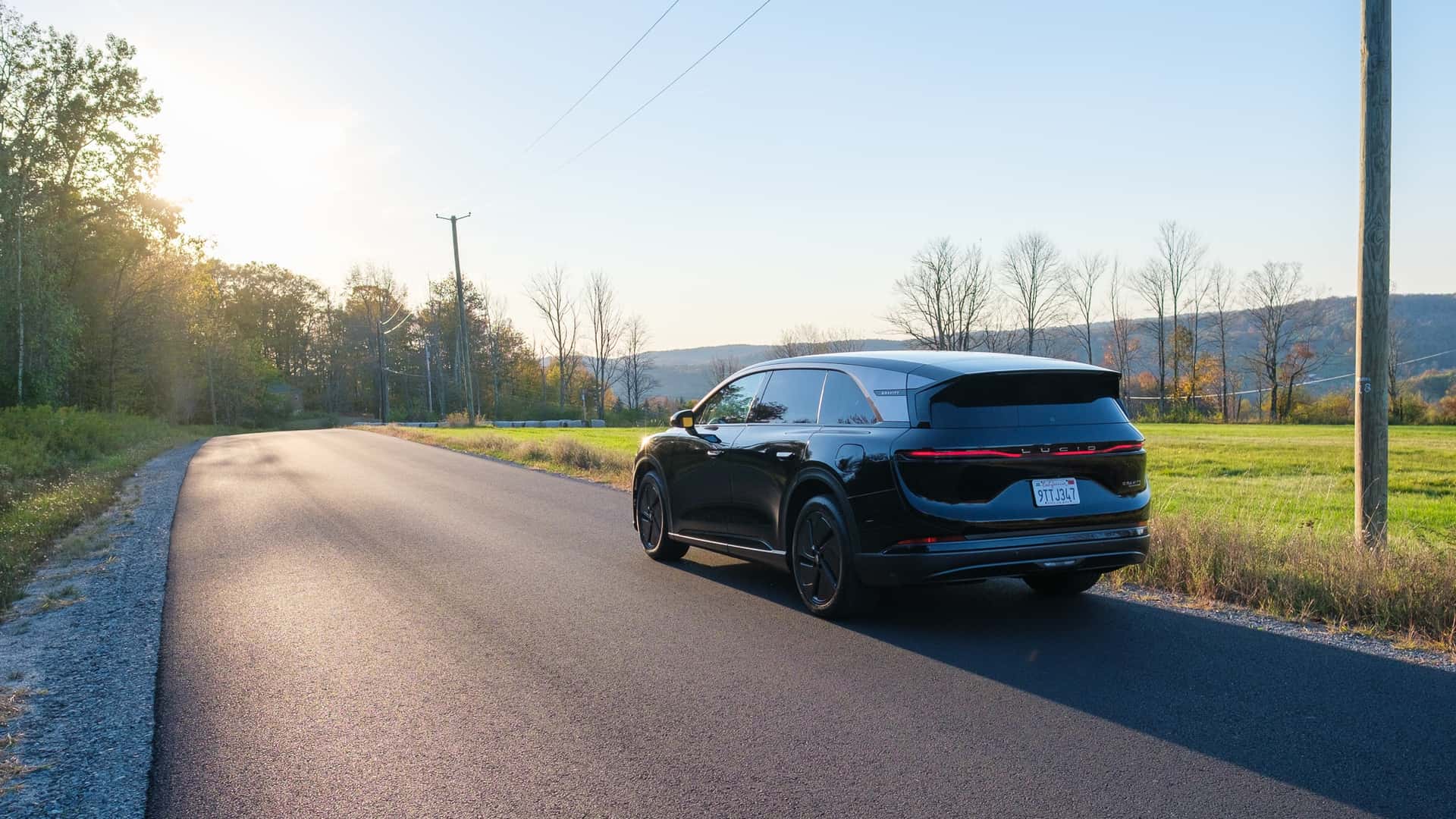
"Researchers used satellite data to see how much nitrogen dioxide was in California's air between 2019 and 2023. As the number of electric cars and plug-in hybrids rose, neighbourhoods had lower NO concentrations. Everybody knows that electric cars don't emit carbon emissions because they don't burn any fuel. And while there are some studies out there that show how zero-emission cars can improve the quality of air in urban areas, they weren't always definitive."
"This data was then used to calculate the annual average NO levels in each California neighborhood from 2019 to 2023. At the same time, publicly available data from the state's Department of Motor Vehicles was thrown into the mix, specifically the number of zero-emission vehicles that were registered in each neighborhood. As a reminder, ZEVs include electric cars, plug-in hybrids and fuel-cell cars."
Satellite TROPOMI measurements tracked nitrogen dioxide (NO2) across California neighborhoods from 2019 to 2023. Neighborhood-level annual average NO concentrations were calculated from the satellite data. Vehicle registration records from the state's Department of Motor Vehicles provided counts of zero-emission vehicles per neighborhood. Zero-emission vehicles include battery electric vehicles, plug-in hybrids, and fuel-cell cars. For every 200 additional zero-emission vehicles registered in a neighborhood between 2019 and 2023, NO concentrations declined by about 1.1%. Nitrogen dioxide is produced by fossil fuel combustion and contributes to asthma exacerbations, bronchitis, and increased risks of heart disease and stroke. Greater ZEV adoption correlated with lower NO concentrations across denser urban areas.
Read at insideevs.com
Unable to calculate read time
Collection
[
|
...
]