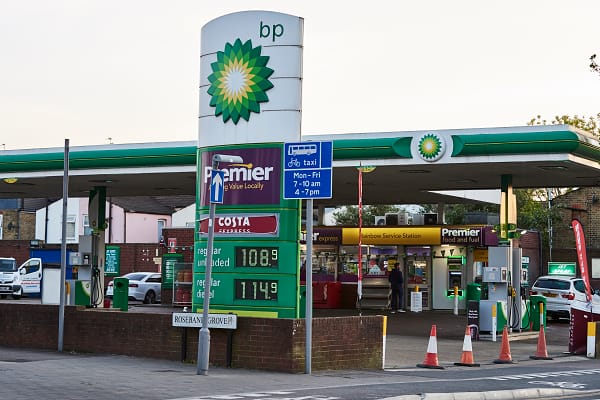
Retail fuel prices depend on wholesale costs, taxes, and retail margins. Retailers do not adjust prices instantaneously to wholesale fluctuations. They may preemptively raise prices if expecting elevated wholesale costs due to geopolitical disruptions or supply concerns. Price stickiness characterizes the market, where upward adjustments occur quickly but downward adjustments lag significantly. Retailers purchasing fuel in batches at varying prices may raise pump prices before receiving cheaper shipments to protect profit margins. Global energy price spikes from conflict-related supply route risks, such as threats to the Strait of Hormuz, create upward pressure on retail pump prices.
"Retailers may pre-emptively raise pump prices if they expect wholesale fuel costs to remain elevated. This anticipation can arise from potential disruptions in global energy markets, such as geopolitical tensions in regions like the Middle East. By increasing prices in advance, retailers aim to safeguard their profit margins or recover anticipated future costs before those costs materialise."
"Retail prices tend to exhibit stickiness, meaning they are generally more resistant to downward adjustments than to upward ones. When wholesale fuel prices rise, retailers often raise pump prices quickly to capitalise on the higher procurement costs. Conversely, when wholesale prices drop, it can take a much longer time for retailers to lower pump prices."
"Fuel retailers typically purchase fuel in batches at varying prices. If a retailer has acquired fuel at a higher wholesale price, they may decide to raise pump prices to mitigate the risk of selling it at a loss. This decision can occur even before they receive new shipments of cheaper fuel, as they seek to maintain their overall profit margins."
#retail-fuel-pricing #price-stickiness #wholesale-costs #anticipatory-pricing #energy-market-disruptions
Read at London Business News | Londonlovesbusiness.com
Unable to calculate read time
Collection
[
|
...
]