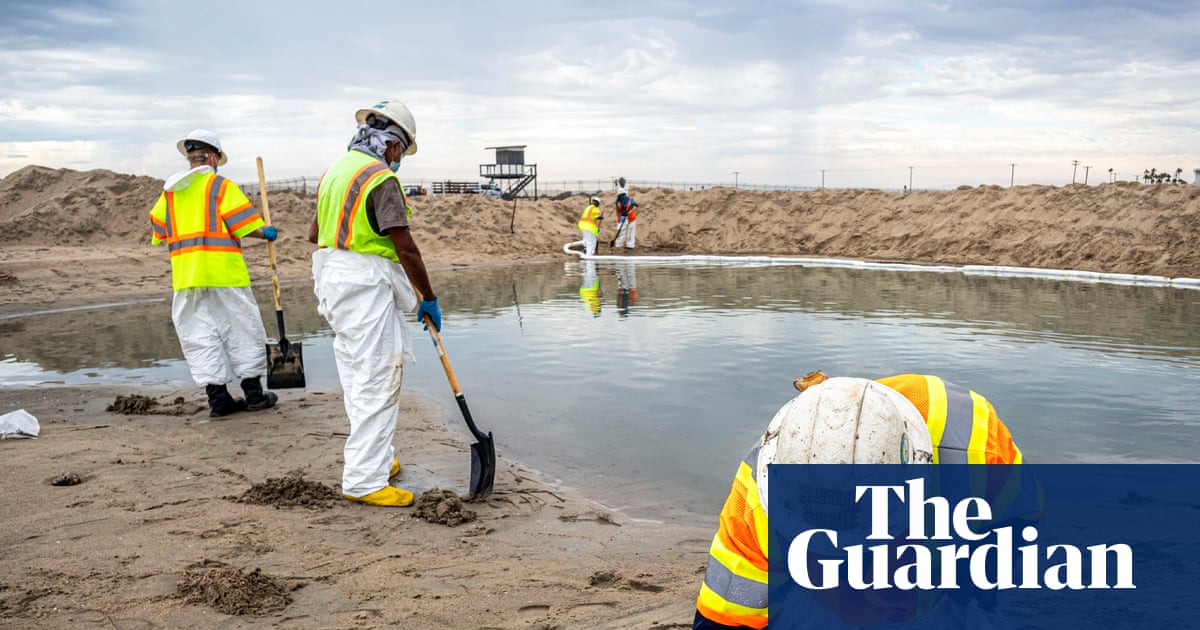
"Enforcement of environmental laws against major polluters has virtually ground to a halt under the Trump administration, a new analysis of Environmental Protection Agency records from January 2025 to January 2026 shows. Major polluters typically include companies that are among the largest in the oil, gas, coal and chemical industries. Records show the EPA filed just one Clean Air Act consent decree compared with 26 in the first year of Trump's first term, and 22 during Biden's first year."
"Consent decrees are the legal mechanism by which the agency and US Department of Justice enforce environmental laws against major polluters. The agency appears to have similarly slowed enforcement of Superfund laws, which cover the cleanup at the nation's most polluted sites. It filed just seven consent decrees, down from 31 under the first Trump administration. The number of Clean Water Act enforcement actions has also dramatically declined from a peak of 18 during Biden's first year, to four during the second Trump administration, the analysis"
"The EPA's enforcement program is dying on the vine, and that's intentional, said Tim Whitehouse, Peer's executive director and a former EPA attorney. Without an adequate enforcement program that provides deterrence to polluters, the laws become voluntary, and when laws become voluntary many companies choose to ignore them because they know there are no consequences, Whitehouse said. That means more pollution for communities near the facilities and more profits"
EPA records from January 2025 to January 2026 show enforcement of environmental laws against major polluters virtually stopped. Major polluters include the largest companies in the oil, gas, coal and chemical industries. The EPA filed one Clean Air Act consent decree in that period, compared with 26 in the first year of Trump's first term and 22 in Biden's first year. Superfund consent decrees fell to seven from 31. Clean Water Act enforcement actions declined from a peak of 18 to four. Reduced enforcement removes deterrence, increases local pollution, and can raise polluter profits.
Read at www.theguardian.com
Unable to calculate read time
Collection
[
|
...
]