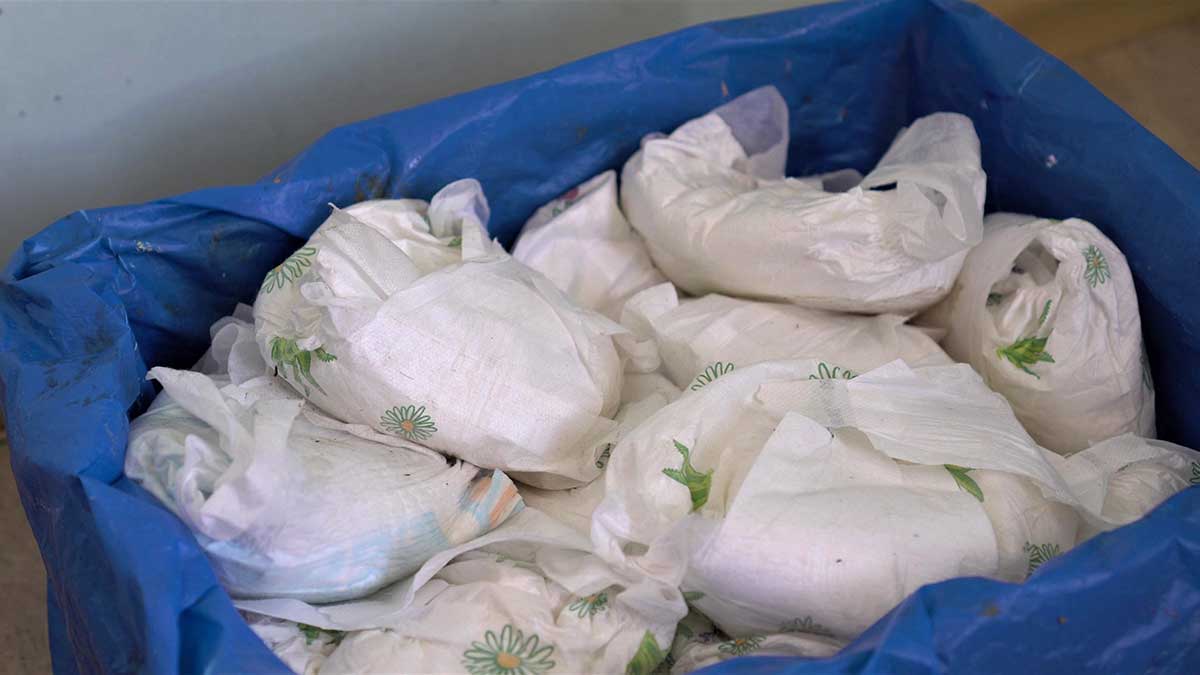
A typical baby uses thousands of disposable diapers in the first year, continuing for two to three years, creating a large household expense. Disposable diaper generation in the United States totals millions of tons, and recycling or composting of disposable diapers remains minimal. Diaper prices have risen, including increases tied to tariffs, with per-diaper costs and monthly household outlays varying by brand and size. Costs are not evenly distributed, and many families report diaper insecurity, with estimates of millions of children living in households that struggle to afford diapers. Diapers are not covered by SNAP or WIC, and some states still tax diapers, though several paused or eliminated those taxes in 2025. Caregivers facing insufficient diapers report increased mental-health strain.
"The National Diaper Bank Network (NDBN) Diaper Check 2024 found that 46 percent of U.S. families with children under four reported diaper insecurity, meaning they could not always afford enough diapers to keep a child clean and dry. That share has climbed from roughly one-third a decade earlier. The Urban Institute estimates nearly 8 million American children live in households that struggle to afford diapers. Diapers are not covered by SNAP or WIC, and in 23 states, they are still taxed at rates as high as 7 percent, though Missouri, Nevada, and Alabama all eliminated or paused their diaper taxes in 2025."
Read at Earth911
Unable to calculate read time
Collection
[
|
...
]