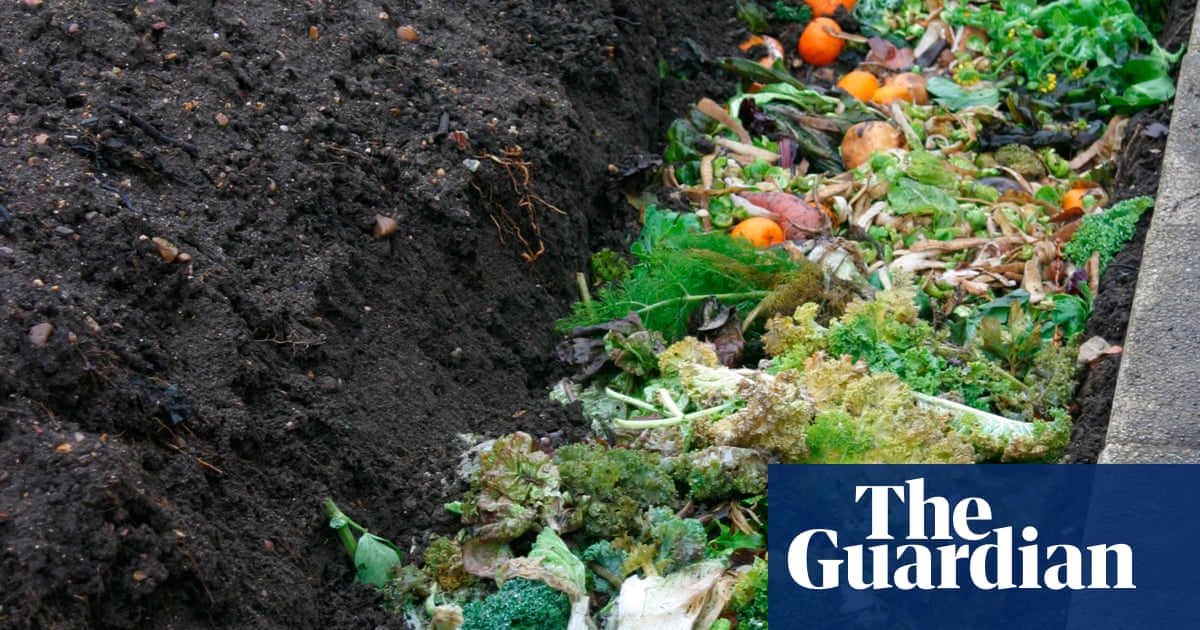
"Over the coming months, this organic matter will slowly decompose, enriching the soil and improving its structure, making it ready to welcome the following season's plants. No further effort is required from you to engage in this ancient approach. It's possible to compost this way in a relatively shallow trench, although some advice suggests digging down to 60cm (2ft) before adding the organic matter and covering the trough."
"It's a simple process of putting your compost into a trench near where you plan to grow your crops Another benefit of trench composting is that you won't be worrying whether you've achieved the right proportion of greens and browns. As anyone who has tended to a stagnant or dormant compost heap knows, it can be tricky to get that balance right, but trench composting is more forgiving."
Trench composting involves placing compostable matter—fruit and vegetable waste, garden plant material, grass clippings, and leaves—into a trench located where crops will be planted the following season. The buried organic matter decomposes over months, enriching soil, improving structure, and preparing beds for new plants with no additional maintenance. Trench depth can be shallow, but some advice recommends digging to about 60 cm (2 ft); shallower trenches benefit from a tarpaulin pinned down to deter animals. Trench composting reduces the need to balance greens and browns precisely, though incorporating a mix of nitrogen-rich greens and carbon-rich browns is still best practice.
Read at www.theguardian.com
Unable to calculate read time
Collection
[
|
...
]