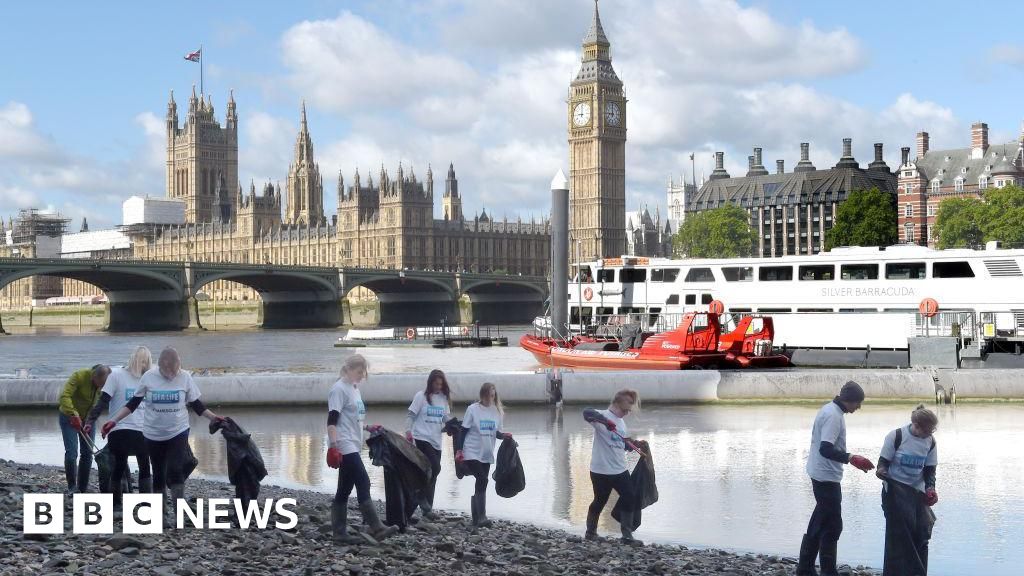
The River Thames recovered significantly from mid-20th-century industrial pollution that once rendered large stretches biologically dead. Sustained action and policy measures enabled the return of species such as harbour porpoises and wading birds and the creation of new riverside habitats. A health check using 21 monitoring indicators shows lower concentrations of toxic metals, more breathable water for aquatic life, and rapid gains from regulation. Plastic cotton bud sticks largely vanished after the UK's 2022 sales ban and wet wipes face an upcoming ban. Zinc and copper concentrations have fallen sharply, but climate change and continued pollution remain threats.
"In the 1950s, the Thames was declared "biologically dead" due to industries disposing of chemicals, heavy metals, oils and dyes into the water. Since then, continued action and policy have seen the return of beloved species such as harbour porpoises and wading birds. However, experts warned the hard-earned resurrection was being threatened by climate change and pollution. Fox Photos The updated State of the River Thames health check report collated"
"Plastic cotton bud sticks, once one of the most commonly found litter items in the Thames, have all but disappeared from its shores following the UK's ban on sales in 2022. ZSL's conservationists hope the same will be achieved for plastic wet wipes, another form of pollution found along the Thames, which are due to be banned in the UK later this year."
Read at www.bbc.com
Unable to calculate read time
Collection
[
|
...
]