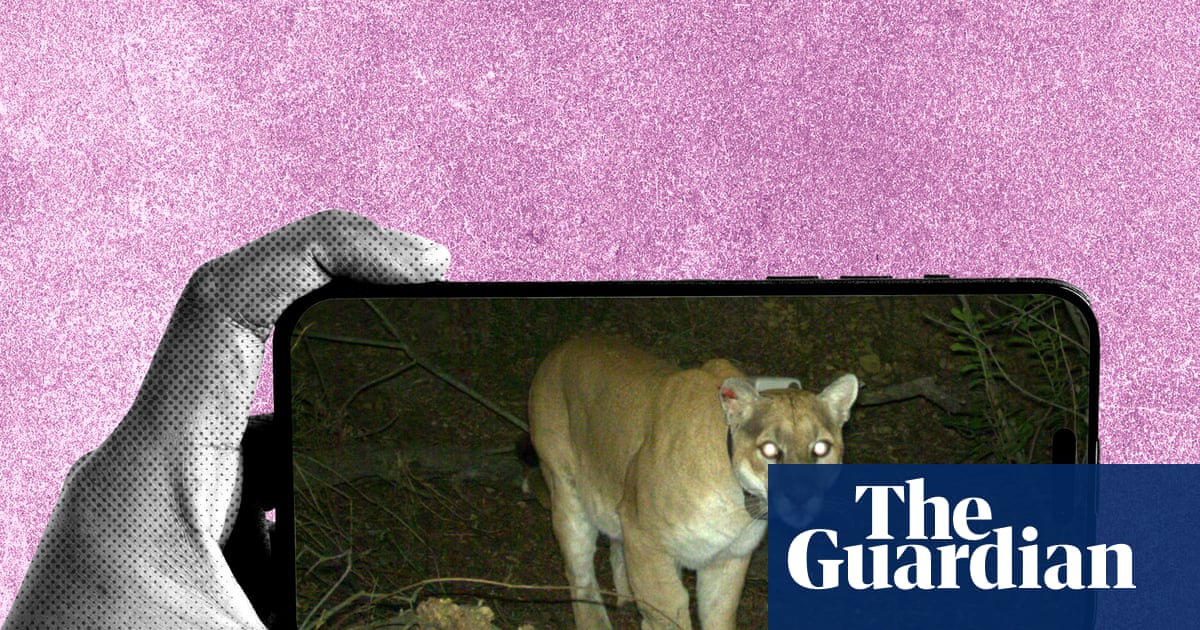
A childhood on Vancouver Island mixed fear, excitement and disappointment about the possibility of encountering cougars during walks near dense forest. An older sibling amplified the risk by insisting the smaller child would be targeted, creating lasting nervous anticipation on the walk home. A subreddit, r/animalid, channels a similar blend of thrill and dread when users post unfamiliar wildlife photos for identification. Popular posts are often colorful animals, but the most compelling content for some are poor-quality, ambiguous images that invite corrective comments. Many alarming photos resolve into ordinary animals or mundane causes, such as coyotes with mange, rats, or misidentified droppings.
"I spent the first decade of my life in Vancouver Island, Canada, in an area rich with parks, lakes and forests. Deer would occasionally wander into our neighbourhood and nibble on the blossoms in our front yard. In that neck of the (literal) woods, mountains and deer also mean cougars. My sister and I would play at a local park, then walk home along a track parallel to a dense forest. My older sister, being three and a half years ahead of me in life and therefore lightyears ahead of me in wisdom, would helpfully declare that if we encountered a cougar it would attack me, not her, as I'm the smaller prey."
"There's a subreddit that fosters this particular combination of excitement and fear, r/animalid, where users share photos of unfamiliar wildlife for others to identify. The most popular posts are colourful lizards and rare birds: YAWN. SNOOZEFEST. For me, the top-tier posts have little engagement at all: I'm looking for poor-quality photos with a handful of comments. I'm talking trailcam snapshots with captions like this wolf has been stalking my family accompanied by several comments of that is a coyote with mange. And, reader, it's always a coyote with mange."
Read at www.theguardian.com
Unable to calculate read time
Collection
[
|
...
]