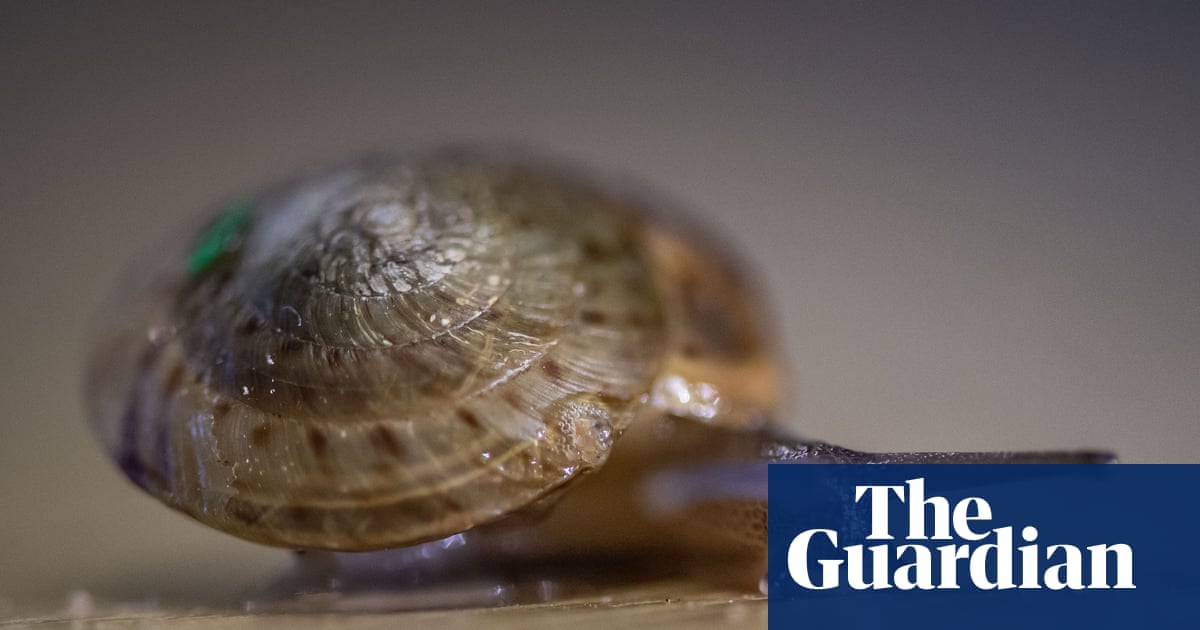
An endemic greater Bermuda snail once believed lost has recovered after a decade-long conservation effort. A remnant population was found in Hamilton in 2014, triggering collaboration among Chester zoo, Bermuda government and conservation scientists. Chester zoo adapted snail husbandry and bred thousands, enabling the release of more than 100,000 captive-bred snails into protected wooded habitats with biosecurity to guard against invasive predators. The species had declined from global heating, habitat loss and introduced predators such as wolf snails and carnivorous flatworms. Since 2019 released generations have become established in six areas and the species is now confirmed safe from extinction.
"It's every conservationist's dream to help save a whole species and that's exactly what we've done, said Tamas Papp, the invertebrates assistant team manager at Chester zoo. This scientific confirmation that we've saved them is testament to the role zoos can play in preventing extinction, and in the power of collaboration, and is something everyone involved will carry in their heart."
"The snails, which are only found in Bermuda, had been hit by global heating and habitat loss, but their decline was accelerated by the introduction of predatory wolf snails and carnivorous flatworms, which ate the smaller native species. At Chester zoo, keepers adapted existing snail husbandry methods to create the best conditions for P bermudensis to multiply, keeping them in specially designed pods."
Read at www.theguardian.com
Unable to calculate read time
Collection
[
|
...
]