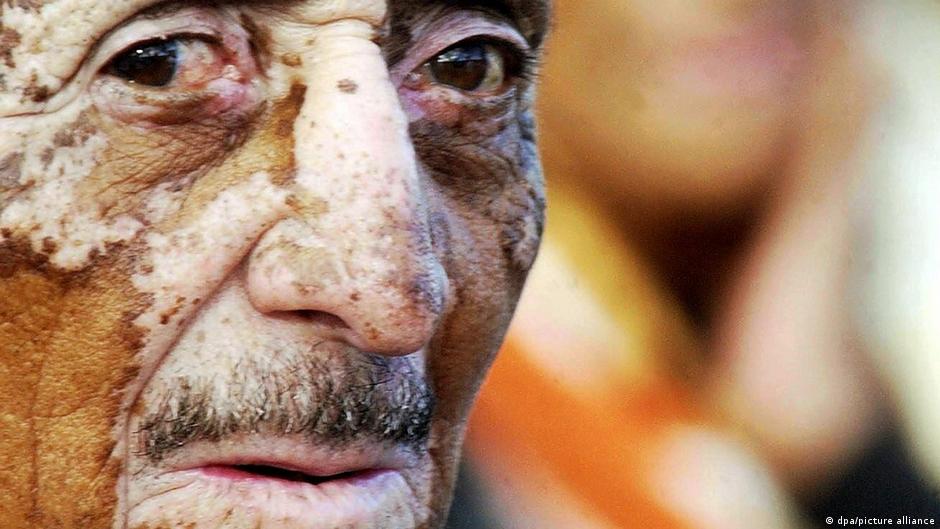
"Farm workers left sick or sterilized after working with a toxic pesticide on Nicaraguan banana plantations in the late 20th century await a ruling on their case in Paris court this week. Thousands of workers in and around plantations in the Chinandega region suffered infertility, chronic kidney failure, skin conditions or cancer after prolonged exposure to Nemagon. The pesticide contained dibromochloropropane (DBCP), and was used to kill pests in the soil."
""I honestly think it's impossible to quantify the damage," said Grettel Navas, an assistant professor at the University of Chile specializing in toxic pollution and public health. Navas, who interviewed victims in Nicaragua in 2017 and 2018, told DW by email that workers had been waiting decades for some sort of meaningful compensation. "Perhaps the greatest harm has been the emotional and physical exhaustion. More than 30 years of fighting for recognition, accountability and justice and still feeling that justice never arrives."
Thousands of Nicaraguan banana plantation workers in the Chinandega region experienced infertility, chronic kidney failure, skin conditions, and cancer after prolonged exposure to Nemagon (DBCP). Nemagon was banned in the United States in 1977 for causing male sterility but continued to be exported and used in Nicaragua and other countries into the 1980s. In 2006 Nicaraguan courts ordered Shell, Dow Chemical, and Occidental Chemical to pay $805 million in damages and interest, but attempts to collect that compensation in the United States have failed. Farmers worldwide still use harmful pesticides that are often exported from the EU. Affected workers report decades of emotional and physical exhaustion from seeking recognition, accountability, and compensation.
Read at www.dw.com
Unable to calculate read time
Collection
[
|
...
]