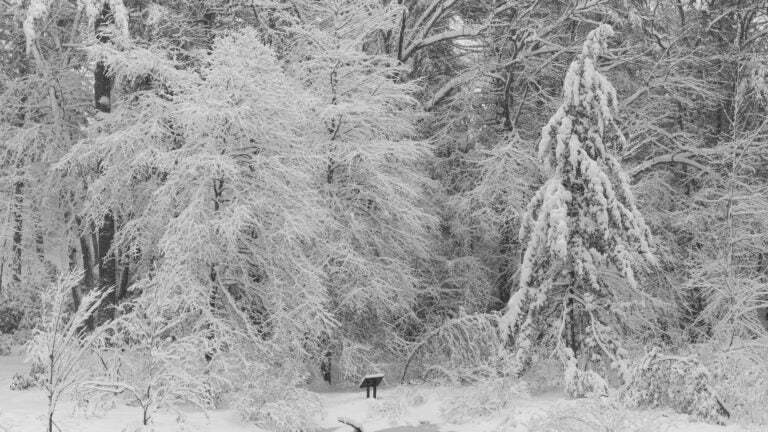
"As an adult, my relationship with snow has changed. I find great beauty in an expanse of unbroken snow, the way drifts reflect wind patterns, the stems and seedheads of last year's perennials still standing proud, and the dampened silence that accompanies a snowstorm. I delight in seeing the intrepid and ever cheerful black-capped chickadee out and about during and immediately after snowfall, determined not to let the flakes affect its outlook."
"In its physical form, snow is also a fantastic insulator, with flakes trapping air in countless small pockets. As with the R-value of home insulation, the thickness of the layers determines how well it insulates - a few inches won't provide much protection against the freeze-thaw cycle, whereas 6 inches or more begins to stabilize soil layers from the surface down to deeper depths."
Snow creates unbroken expanses that reflect wind patterns, preserve stems and seedheads of last season's perennials, and muffles sound while allowing some birds like black-capped chickadees to remain active. Snow acts as an effective garden insulator because flakes trap air; light, fluffy, loosely packed snow provides the best insulation and can keep soil temperatures higher than the air above. Layers of around six inches or more help stabilize soil from the surface downward and reduce freeze-thaw stress. Without adequate snow cover, surface roots and perennial crowns are vulnerable to frost heave and temperature swings that cause water loss. Proactive pruning and shrub care reduce damage risk from heavy snow loads.
Read at Boston.com
Unable to calculate read time
Collection
[
|
...
]