"In 1934, the famous British writer Aldous Huxley described Lake Atitlan, in the Guatemalan highlands, as too much of a good thing, alluding to its immeasurable beauty. In his travel book Beyond the Bay of Mexico, he compared it to Lake Como in Italy, which touches on the limit of permissibly picturesque, but Atitlan is Como with additional embellishments of several immense volcanoes, he wrote, namely San Pedro, Toliman, and Atitlan."
"More than 90 years later, Lake Atitlan faces a serious pollution problem: while on the surface the boats rock to the rhythm of a measured wave, deep below the water is impregnated by the discharge of waste from a dozen indigenous populations. Lake Atitlan's main problem is cyanobacteria, which are highly toxic, and are nourished and spread by feces, says Fatima Reyes, the head of the research and quality department of AMSCLAE,"
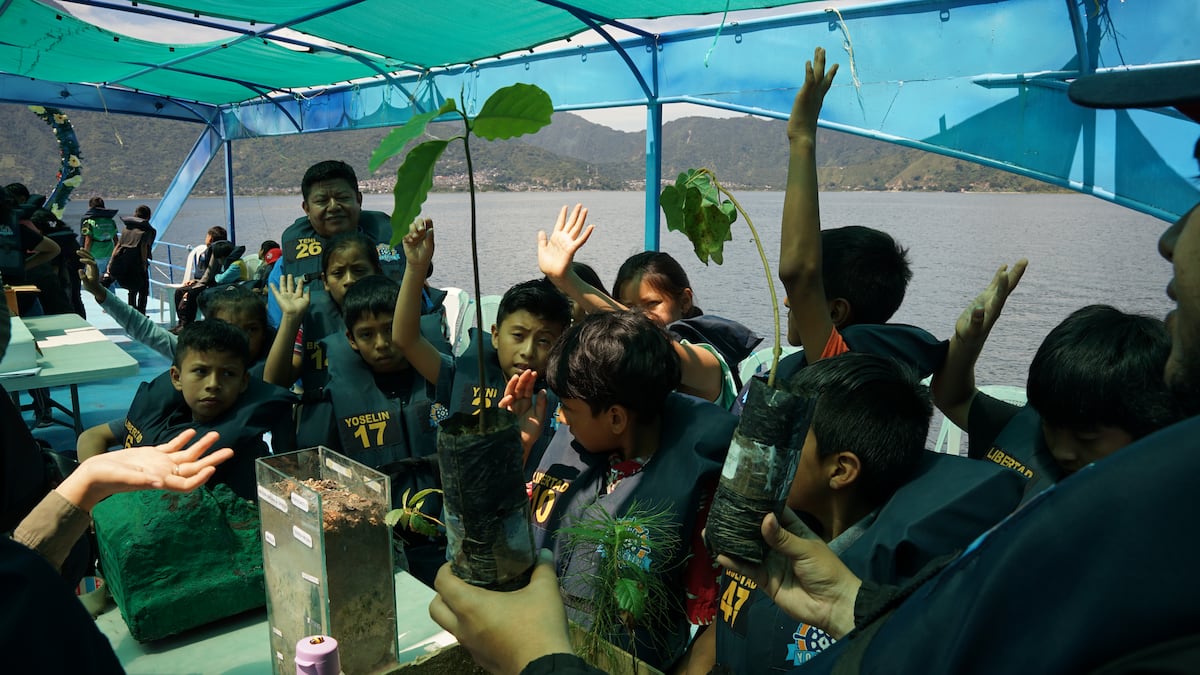
Lake Atitlan in the Guatemalan highlands combines striking scenic beauty with severe pollution challenges. Sewage discharges from about a dozen indigenous communities have impregnated deep waters, fueling harmful cyanobacteria blooms. Cyanobacteria are highly toxic, damage fish, birds and ducks, and cause liver and nervous system problems in humans. AMSCLAE has experimented with decontamination strategies for over a decade and has shifted toward environmental education for children. A floating double-decker school brings fourth and fifth graders to the lake monthly for experiments and research on water quality. The program aims for students to share learned practices with peers and families to foster local stewardship.
Read at english.elpais.com
Unable to calculate read time
Collection
[
|
...
]