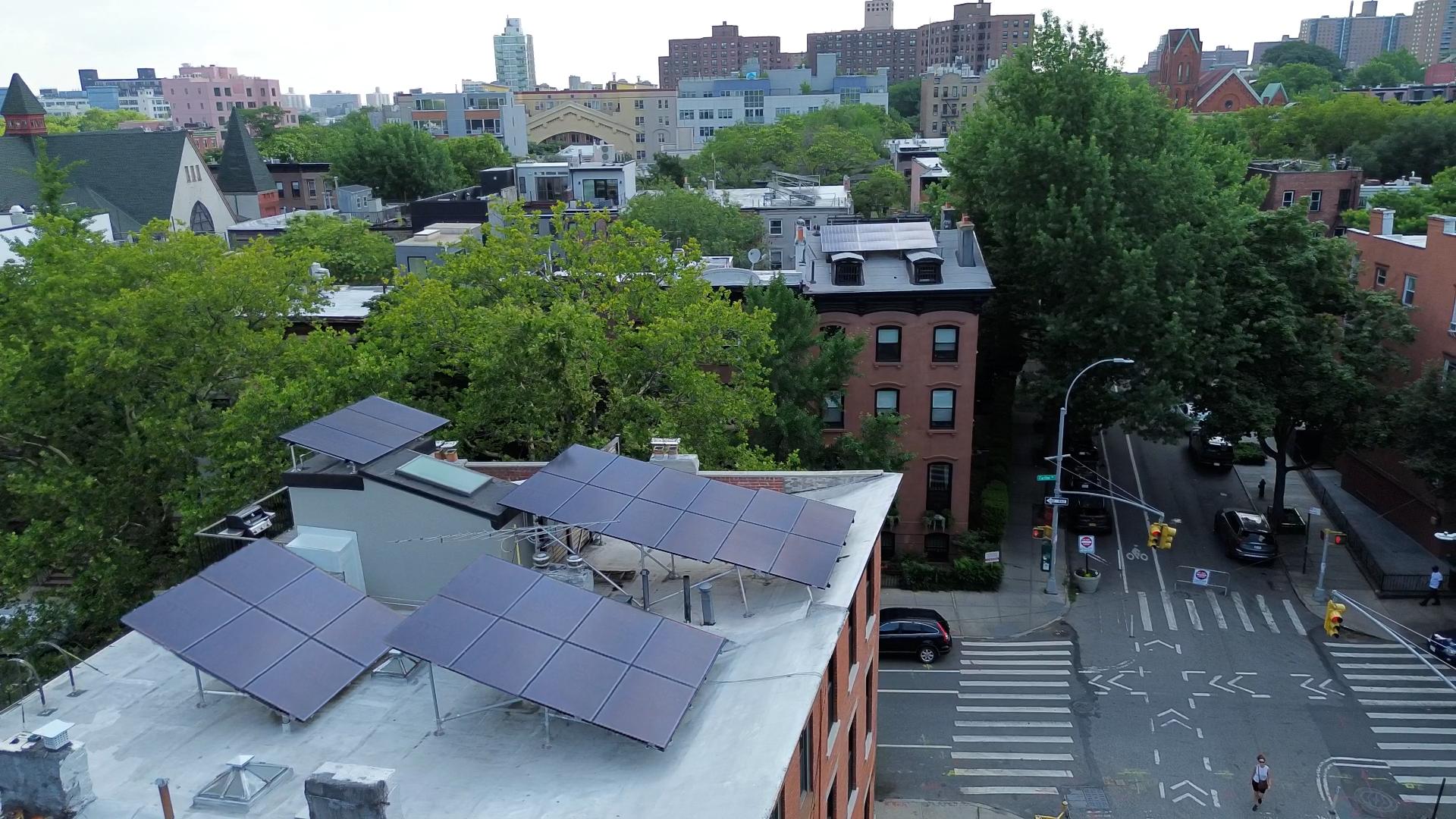
"1. Solar Panels Work Year-Round One of the biggest myths about solar is that panels don't work in winter. The truth: Solar panels need light, not heat, to produce electricity. They continue generating power through every season, even on cold winter days. While there's less daylight in winter, your panels remain efficient and will still help reduce your energy bills every month."
"2. The Timeline Works in Your Favor From your first call with a solar specialist to system installation typically takes one to three months. Start the process now, and you'll be up and running by the beginning of summer-right when it matters most. Summer electricity bills are usually the highest due to AC usage, so you'll capture the biggest savings immediately when your system goes live."
"3. Net Metering Means Nothing Goes to Waste NYC has 1:1 net metering, which works like a battery in the grid. During long summer days, your panels often produce more electricity than you need. That extra energy gets sent to the grid, and you earn utility credits that roll over month to month. When production is lower in winter or at night, those banked credits automatically apply to your bill, keeping costs low year-round."
Solar panels produce electricity year-round because they need light, not heat, and remain efficient even on cold winter days. Typical installation timelines from first contact to system activation take one to three months, so starting in winter often yields summer activation when electricity demand and bills peak. NYC's 1:1 net metering credits excess summer production to offset lower production in winter, effectively storing value on the grid. Winter demand for solar installations is lower, enabling more flexible scheduling and potentially faster installation. Free consultations are available at BrooklynSolarWorks.com.
Read at Brownstoner
Unable to calculate read time
Collection
[
|
...
]