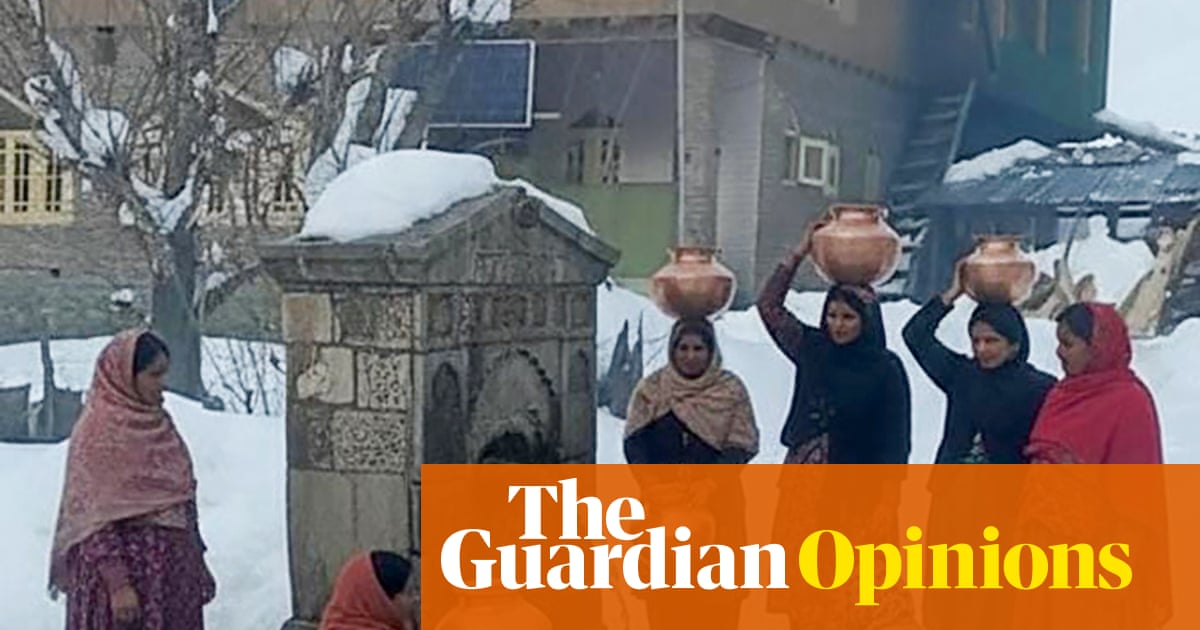
"For six months, snow seals the Tulail valley. In this frozen isolation, the Dard Shin women are the architects of survival. They are the first to break the ice on the water buckets in the dawn. Their hands never stop. They spin, they knead, they work until they collapse into sleep, only to wake and do it all again."
"I remember nine-year-old Zubeida. I want to be a doctor, she told me. When the snow is deep and the mothers are in pain, I want to be the one who knows how to make them better. I will wear a white coat like the snow, but I will bring warmth. The path to a medical degree is blocked by more than just mountains. There is no high school here for her to attend."
"Twelve-year-old Irfan's father and brothers are away working in the building sites of Shimla. Irfan's jaw is set: I don't want to carry stones. I want to be a scientist. I want to study why the stars are so bright in Tulail and how we can use the sun to keep our homes warm when the electricity goes away."
The Dard Shin tribe inhabits the remote Tulail valley in Jammu and Kashmir, experiencing six months of snow-induced isolation annually. Women perform continuous survival labor—breaking ice, spinning, kneading—while children develop ambitious dreams despite limited opportunities. A tribal member who became an academic head in Srinagar reflects on her father's pioneering journey to higher education and the stark contrast between her escape and the grounded circumstances of those remaining. Children like Zubeida aspire to medicine and Irfan to science, yet lack access to high schools and face economic pressures forcing family members into construction work. Geographic remoteness, seasonal closure, and infrastructure deficits perpetuate educational inequality and limit social mobility for the valley's inhabitants.
#educational-inequality #remote-communities #gender-and-labor #himalayan-isolation #social-mobility-barriers
Read at www.theguardian.com
Unable to calculate read time
Collection
[
|
...
]