"In the 1980s and 1990s, if a high school student was down on their luck, short on time, and looking for an easy way out, cheating took real effort. You had a few different routes. You could beg your smart older sibling to do the work for you, or, a la Back to School (1989), you could even hire a professional writer."
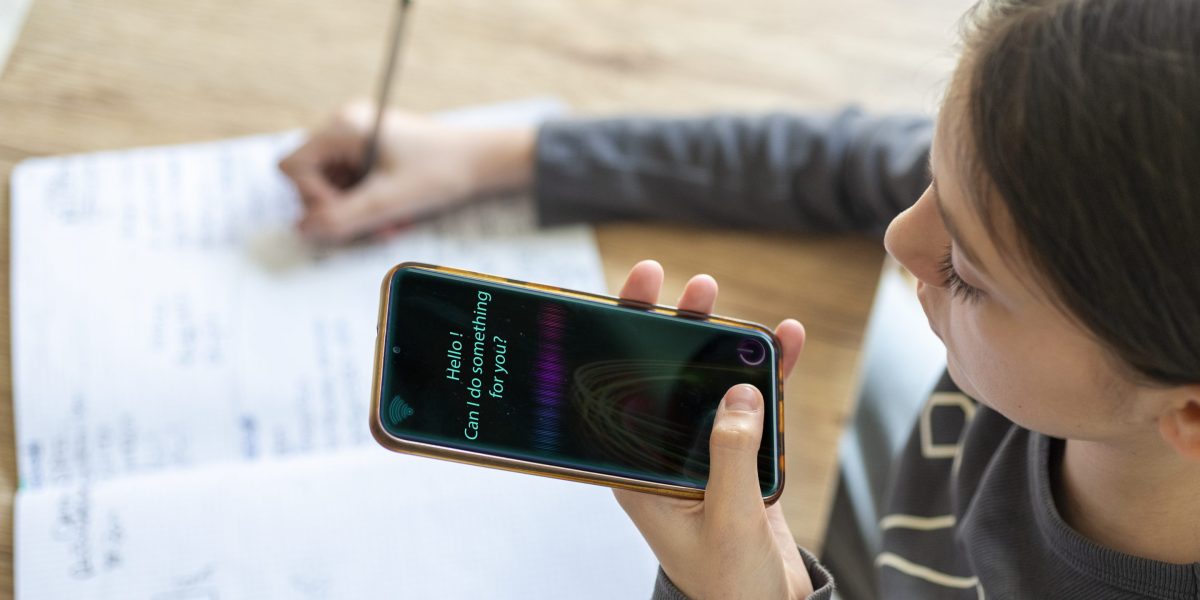
"Today, the process has collapsed into three steps: log on to ChatGPT or a similar platform, paste the prompt, get the answer. Experts, parents and educators have spent the past three years worrying that AI made cheating too easy. A massive Brookings report released Wednesday suggests they weren't worried enough: The deeper problem, the report argues, is that AI is so good at cheating that its causing a "great unwiring" of their brains."
Academic cheating once required effort, such as hiring writers, obtaining answer keys, or relying on peers or excuses. The internet reduced friction through summaries and homework sites, but cost remained. Modern generative AI collapses that friction into logging into ChatGPT, pasting prompts, and receiving answers. This ease has produced a 'great unwiring' of student cognition, with teachers reporting impaired reasoning, problem solving, and thinking. Qualitative AI risks include cognitive atrophy, 'artificial intimacy,' and erosion of relational trust, which currently overshadow potential educational benefits. A yearlong premortem found these deeper, non-technical harms warrant urgent attention.
Read at Fortune
Unable to calculate read time
Collection
[
|
...
]