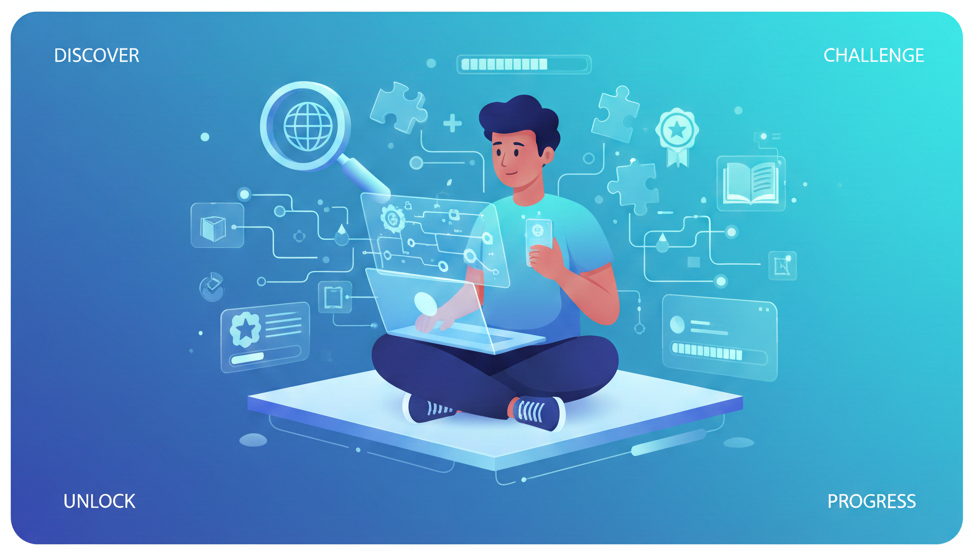
"Learners thrive when they feel: ✨ Intrigue✨ Autonomy✨ Progress✨ Purpose The role of instructional designers has evolved - we're not just content developers anymore. We're experience architects. 🎯 Four Ways to Turn Curiosity Into Learning Impact 1️⃣ Start With a "Why Should I Care?" Hook Before teaching what - show why it matters. Examples: If you earn attention up front, learners stay with you longer."
"2️⃣ Let Learners Drive the Journey Self-direction improves motivation. Try: When learners feel in control, they invest more. 3️⃣ Add Mechanics That Trigger Engagement Borrow elements from games - without making a game. Effective mechanics: Gamification ≠ gamesGamification = driving human motivation 4️⃣ Build for Reflection, Not Just Selection Multiple choice alone does not build mastery. Better assessment techniques: ✔ Scenario decisions✔ Short-form reflections✔ Skill-based challenges✔ Peer or coach feedback When learners apply knowledge, it sticks. 🧠"
Digital learning faces shrinking attention spans and constant distractions, so maintaining engagement is the primary challenge. Motivation should replace mandates by prioritizing intrigue, autonomy, progress, and purpose over completion tracking and quiz-passing. Instructional designers function as experience architects who earn attention with a clear "why," enable learner-driven journeys, and add engagement mechanics inspired by game principles to drive human motivation. Assessments should emphasize reflection and application—scenario decisions, short reflections, skill challenges, and feedback—so learners apply knowledge and retain it. When learners pursue courses by choice, learning becomes conversation, exploration, and transformation.
Read at eLearning
Unable to calculate read time
Collection
[
|
...
]