"Learning something new is, biologically, a transformation of the brain. With each experience, neural connections are reorganized, creating and strengthening synapses. Far more than simply accumulating information, learning is about reconfiguring internal structures, a process that can reshape individuals and societies alike."
"With the rise of modern schooling during the Industrial Revolution, a standardized model emerged, defined by rows of desks, simultaneous instruction, and visual supervision. Often compared to a factory system, this model still persists in many places despite profound technological shifts. These rigid environments remain even as modern learning demands experimentation and adaptability."
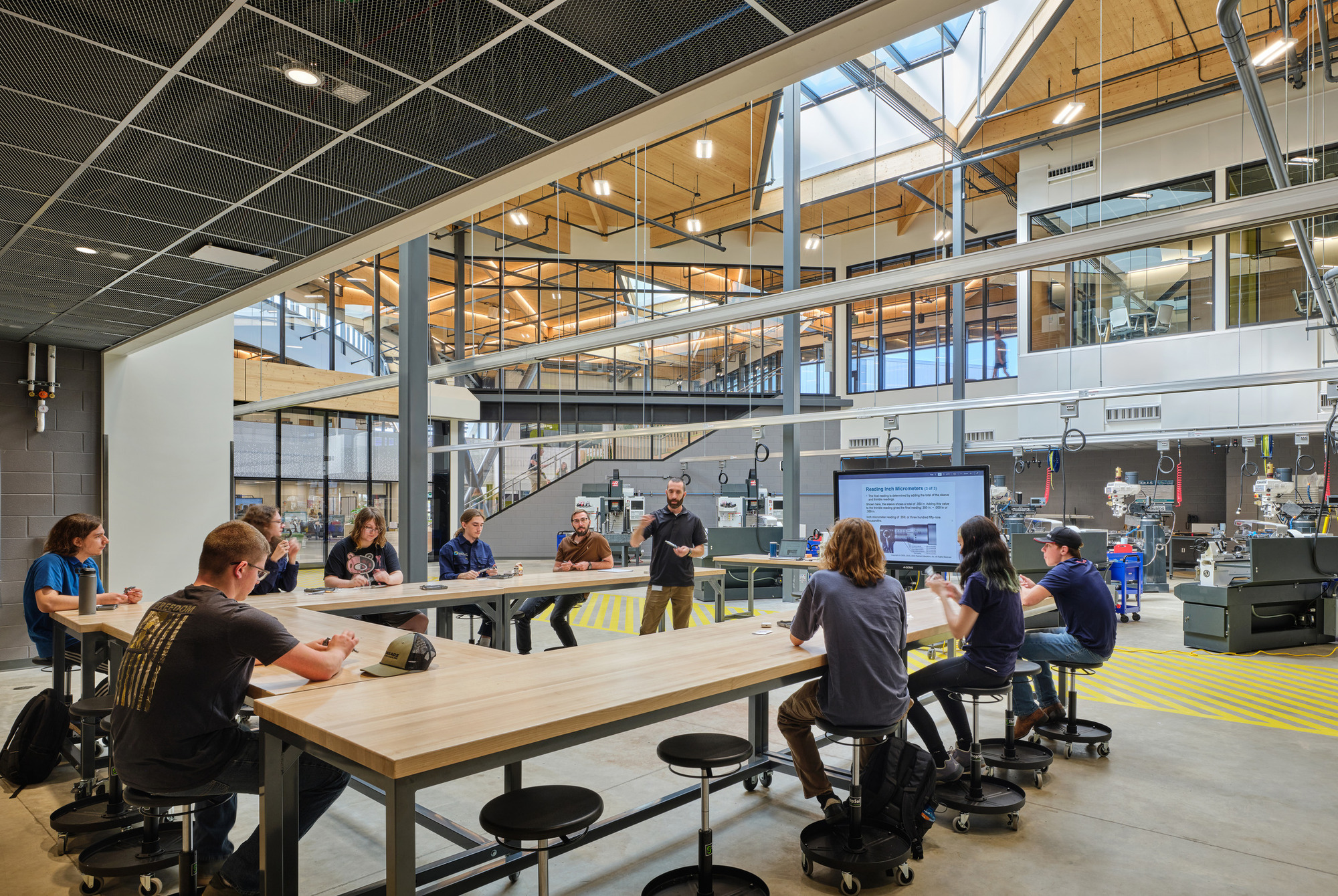
"Designing for learning means creating spaces that can accommodate this complexity by supporting different rhythms, modes of interaction, and ways of building knowledge. In a world shaped by rapid change and evolving workforce demands, educational environments are taking on a more active role. A global leader in K-12 education design, DLR Group has been exploring this terrain through projects that treat space as an integral part of the educational process."
"A really well-designed architectural space for education is something that makes kids feel welcome and feel like they belong. Students should be able to see themselves in the environments we design for them."
Learning transforms the brain by reorganizing neural connections and strengthening synapses. Learning involves reconfiguring internal structures that can reshape individuals and societies. The environment where learning occurs can cultivate curiosity, adaptability, and emotional resilience, or it can contribute to withdrawal and isolation. Modern schooling developed a standardized, factory-like model with rows of desks, simultaneous instruction, and visual supervision, and this model persists despite technological change. Educational environments now need to support experimentation and adaptability. Designing for learning requires spaces that accommodate different rhythms, interaction modes, and ways of building knowledge. Architectural design can influence how students learn, relate, and construct knowledge, and it should help students feel welcome and see themselves in their surroundings.
#neuroscience-of-learning #k-12-education-design #learning-environments #school-architecture #industrial-era-schooling
Read at ArchDaily
Unable to calculate read time
Collection
[
|
...
]