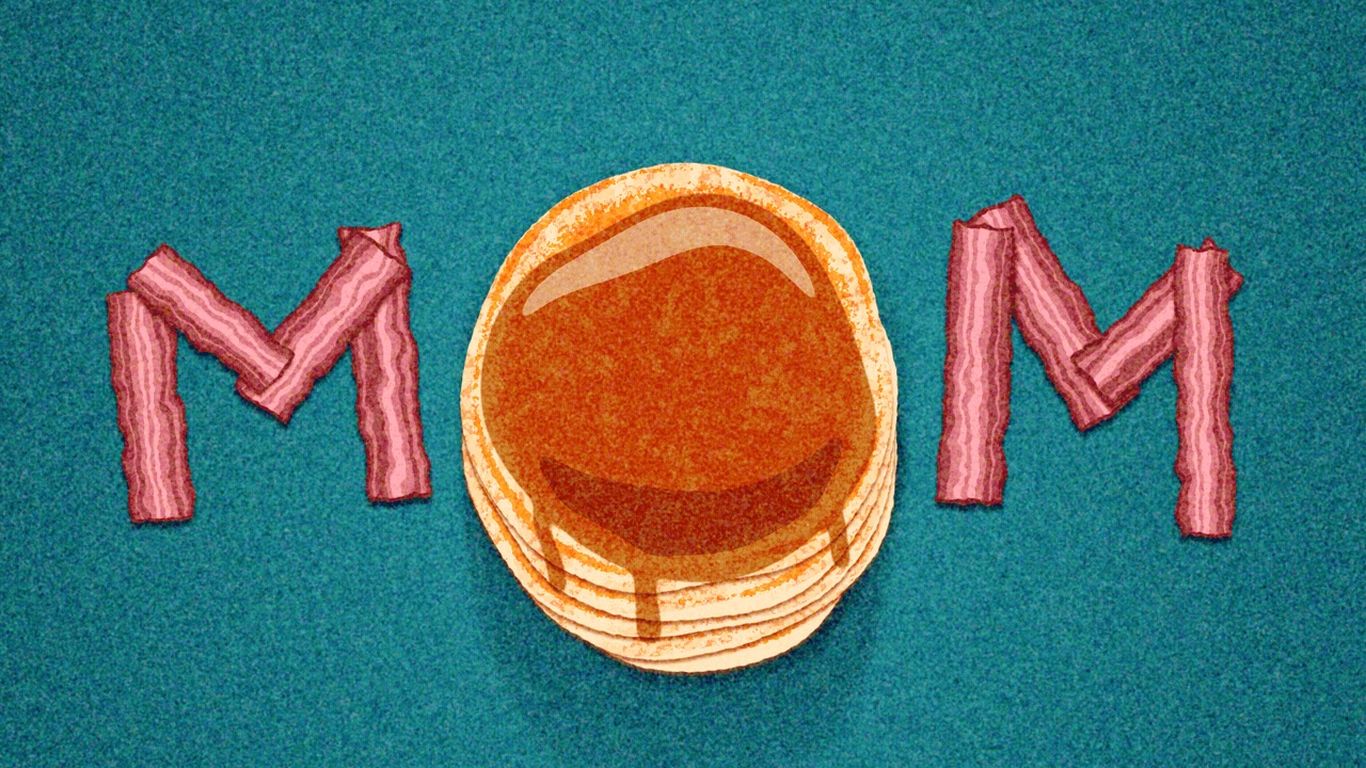
"Consumer spending on Mother's Day is expected to hit a record $38 billion this year, according to the National Retail Federation, up from the previous record of $35.7 billion set in 2023. Flowers remain the most popular gift category, with 75% of shoppers expected to buy them. Numerator survey data found 43% of shoppers planned to seek out promotions or coupons, 30% planned to buy fewer gifts and 26% planned to switch to lower-priced products."
"Zoom in: Groundwork Collaborative told Axios that flower prices are up 16% from a year ago, adding roughly $441 million in additional spending this Mother's Day season, driven in part by tariffs on imported flowers and higher air-freight costs. The U.S. Chamber of Commerce separately estimated new flower tariffs could add a $25 million tax on Mother's Day bouquets."
"Between the lines: Americans may be cutting back elsewhere, but few want to skimp on mom. RetailMeNot found shoppers increasingly value "time and relief" over pricey gifts, with respondents saying the most meaningful presents are quality time, a day without responsibilities and help with chores."
"Wells Fargo projects Americans will spend about 4% more dining out this Mother's Day, with the average restaurant bill expected to hit roughly $67. "Americans love dining out, and Mother's Day is one of the biggest occasions to do it," Wells Fargo chief agricultural economist Michael Swanson told Axios. Swanson said brunch may offer a cheaper alternative this year as egg prices ease, while beef-heavy dinners remain expensive because of elevated beef pric"
Consumer spending for Mother’s Day is projected to reach a record $38 billion, rising from $35.7 billion in 2023. Flowers are expected to be the most popular gift, with 75% of shoppers planning to buy them. Survey data shows many shoppers plan to use promotions or coupons, buy fewer gifts, or switch to lower-priced products. RetailMeNot also finds a shift toward lower-cost gifts and quality-time experiences. Some shoppers report they may spend more than they can afford. Flower prices are up 16% year over year, driven by tariffs and higher air-freight costs, increasing spending. Despite cutbacks elsewhere, shoppers prioritize time and relief, including help with chores and a day without responsibilities. Dining out is also expected to rise, with an average restaurant bill around $67, though brunch may be cheaper as egg prices ease.
#mothers-day-shopping #consumer-spending #promotions-and-coupons #gift-preferences #food-and-dining-out
Read at Axios
Unable to calculate read time
Collection
[
|
...
]