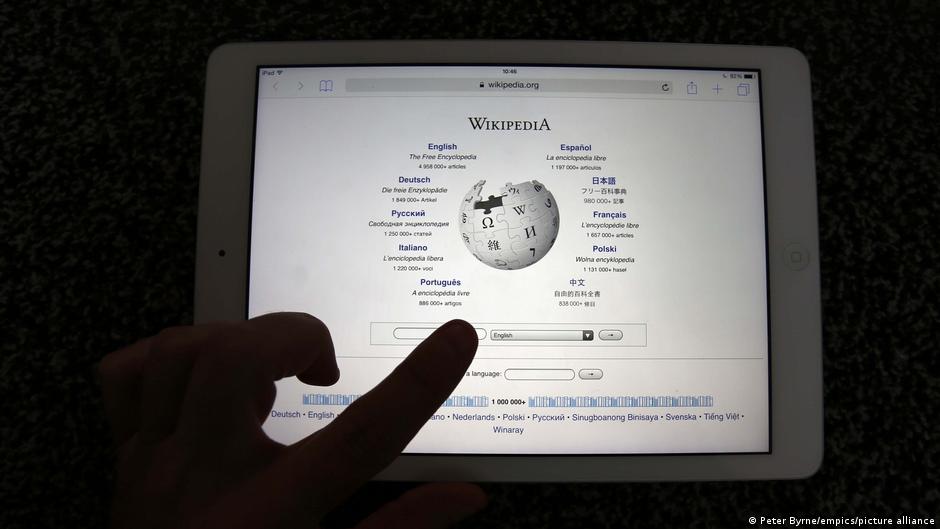
"Previously, accessing knowledge meant navigating physical libraries and curated reference works, with experts and institutions acting as the gatekeepers of "official" information. Wikipedia inverted that hierarchy. It created a vast, collaboratively edited platform where anyone with an internet connection could write or revise an article shifting from centralized expert authority to a more decentralized, communitydriven model that still cites expertproduced sources."
"When Wikipedia went online on 15 January 2001, it was the brainchild of two men: Jimmy Wales, an internet entrepreneur with a libertarian streak, and Larry Sanger, a philosopher who became its first editor-in-chief. Their collaboration lasted only a little over a year but the tension between their visions still shapes the project today. From the outset, Wales imagined Wikipedia as a radically open project: a place where "every single person on the planet" could contribute"
Wikipedia launched on 15 January 2001, founded by Jimmy Wales and Larry Sanger, whose differing visions—radical openness versus concern about neutrality—continue to influence the platform. The project shifted knowledge access from physical libraries and curated references to a collaboratively edited, decentralized model where anyone with internet access can contribute while citing expert-produced sources. Growth was rapid: about 25,000 English articles by 2002, over one million by 2006, and more than seven million today. As of January 2026, Wikipedia has over 300 active language editions and thousands of volunteer editors. No single person owns articles; contributions must adhere to core principles such as neutrality and verifiability.
Read at www.dw.com
Unable to calculate read time
Collection
[
|
...
]