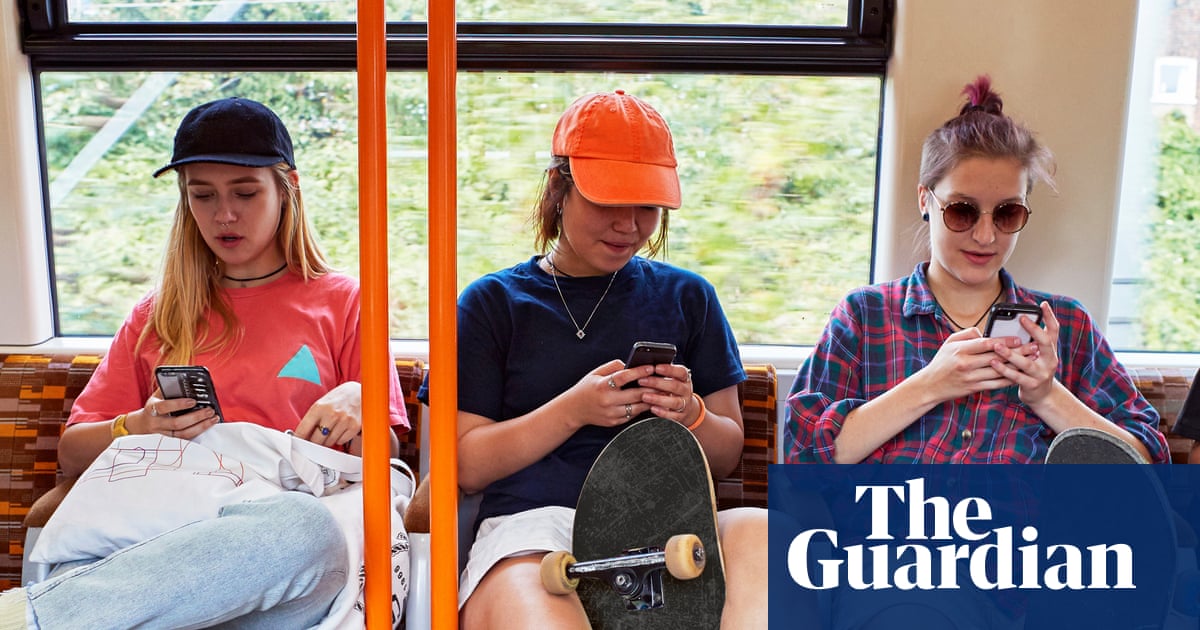
"Born between 1997 and 2012, gen Z were the first to be fully immersed in the technology from infancy, and that sets them apart from the generations that came before them. They're the first generation growing up with ubiquitous technology—some had social media profiles even before they were born. So there's a lot of curiosity there, and they are demonstrating very different behaviours than other generations have."
"Things like gen Z's approach to work (they're more likely to jump around jobs), and their different spending habits make them ripe for studying and surveying. Employers want to know how to hire them, companies want to know how to sell to them. This has led to the rise of gen Z-driven marketing agencies, which know that companies are desperate to connect with this cohort."
"They are the generation that grew up through the social internet, economic instability, anxiety around climate, the pandemic, and now there's AI. This combination has really changed how this generation behaves and views the world."
Generation Z, born between 1997 and 2012, has become the most analyzed generation in history, with extensive research documenting their behaviors across finances, mental health, dining preferences, and values. This intense scrutiny stems from their unprecedented immersion in technology and social media from infancy, distinguishing them fundamentally from previous generations. Their unique characteristics—including different work approaches, distinct spending habits, and varied social behaviors—have captured widespread attention. Employers and companies recognize the need to understand this cohort to effectively hire and market to them, leading to the emergence of specialized gen Z-focused marketing agencies. The generation's formative experiences through social media, economic instability, climate anxiety, the pandemic, and artificial intelligence have shaped distinctly different worldviews and behaviors compared to earlier generations.
#generation-z-behavior #digital-immersion-and-technology #marketing-and-consumer-trends #generational-analysis #youth-culture-and-social-media
Read at www.theguardian.com
Unable to calculate read time
Collection
[
|
...
]