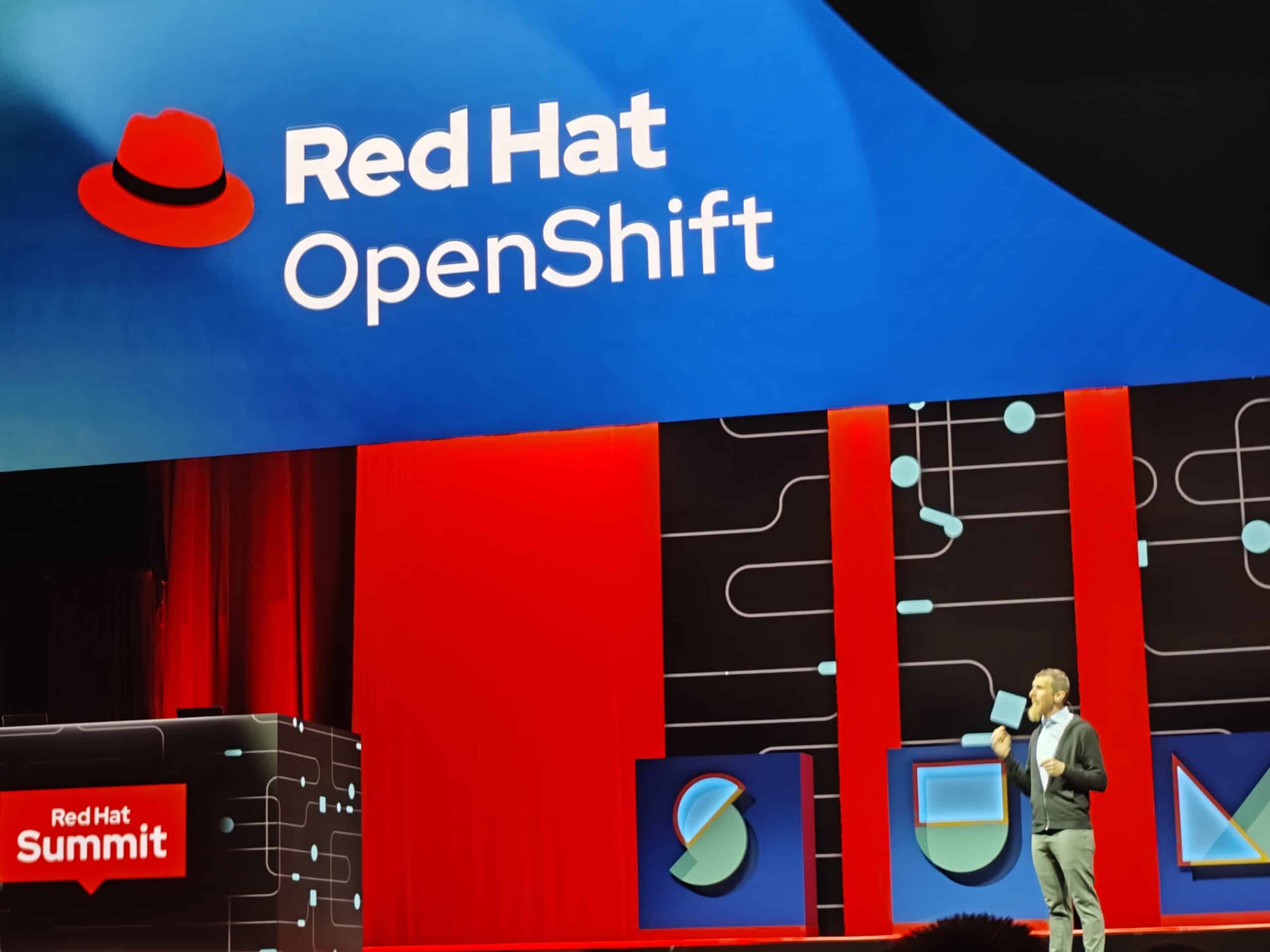
"Red Hat has launched OpenShift 4.21 with Dynamic Resource Allocation for GPUs, which allows high-end GPUs to be prioritized for AI training. These resources can also be scaled down completely to save money. The release also adds autoscaling to zero for hosted control planes and cross-cluster VM migration without downtime. OpenShift 4.21 addresses a fundamental problem that AI teams face daily: GPU allocation that does not match their actual needs. Traditionally, teams simply requested a GPU and hoped it would meet their requirements."
"With the new Dynamic Resource Allocation, users specify exactly what they need, for example, "a GPU with at least 40GB VRAM." The scheduler queries hardware attributes directly via common expression language to find the right resources. This eliminates manual node labeling. The system reads hardware capabilities and automatically matches them to workload requirements. This feature does require a vendor-provided operator or driver with DRA support."
OpenShift 4.21 adds Dynamic Resource Allocation (DRA) so users can request GPUs by specific hardware attributes (for example, minimum VRAM) rather than just requesting any GPU. The scheduler queries hardware attributes via a common expression language and matches capabilities to workload requirements, removing the need for manual node labeling. Hosted control planes gain native VerticalPodAutoscaler integration and can autoscale to zero while preserving configuration and state for automatic resume. NodePools can scale to zero for development and test environments. Cross-cluster live migration enables moving running VMs between clusters without downtime for maintenance or rebalancing.
Read at Techzine Global
Unable to calculate read time
Collection
[
|
...
]