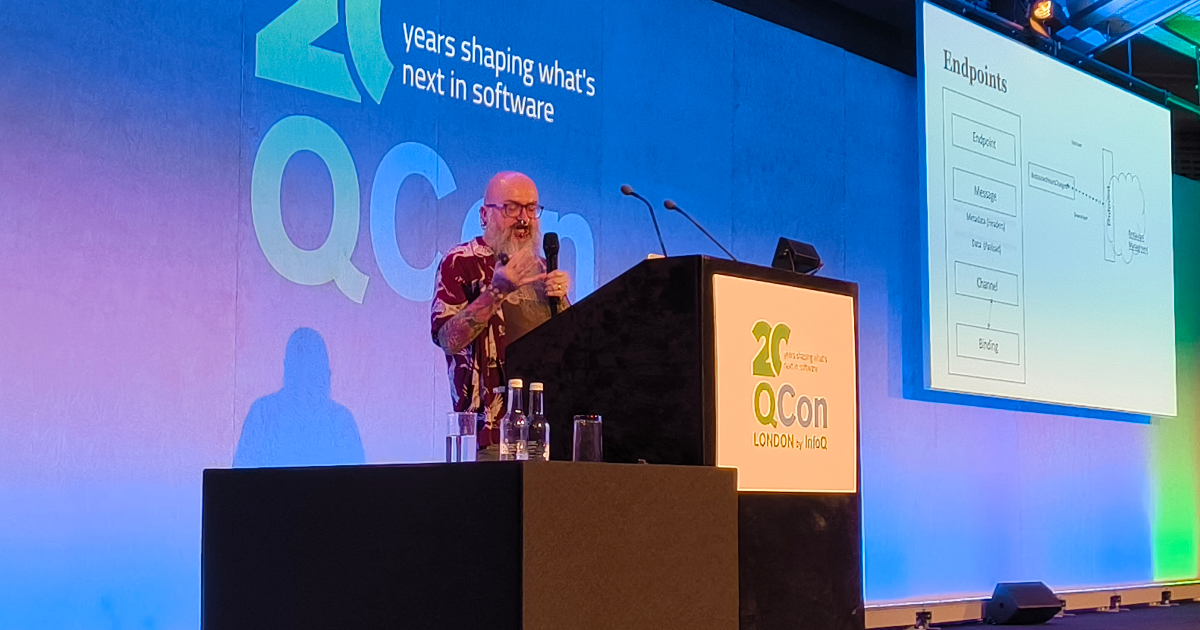
"At scale, ad-hoc breaks. As organizations grow, informal approaches to event-driven architectures become increasingly fragile, with integration points difficult to discover, consumers unknown to producers, and undocumented schema changes breaking downstream systems. Producers struggle to find consumers, often resorting to searching repositories or asking on Slack if anyone consumes their events."
"Central to managing asynchronous APIs at scale are explicit specifications for messaging interfaces. Technologies such as AsyncAPI, designed to build event-driven architectures, alongside alternatives like xRegistry, provide machine-readable ways to describe event contracts. These specifications include topics, payload schemas, and message metadata, enabling teams to document ownership and improve discoverability across distributed systems."
"Three pillars organize emerging practices for managing asynchronous APIs in large organizations: discovery for finding and understanding the async API, governance for ensuring schemas are consistent and evolving safely, and provisioning for going from a specification to a deployment. This structured approach addresses the challenges of scaling event-driven architectures."
Event-driven architectures initially rely on informal, shared knowledge about which services publish and consume events. As organizations scale, this approach becomes fragile, creating challenges in discovering integration points and preventing undocumented schema changes from breaking downstream systems. To address these issues, three core pillars emerge: discovery for finding and understanding async APIs, governance for ensuring consistent and safe schema evolution, and provisioning for deploying from specifications. Machine-readable specifications like AsyncAPI and xRegistry document event contracts including topics, payload schemas, and metadata, enabling teams to track ownership and improve discoverability across distributed systems. Standardized event metadata and schema governance formats become essential for managing complexity at scale.
Read at InfoQ
Unable to calculate read time
Collection
[
|
...
]