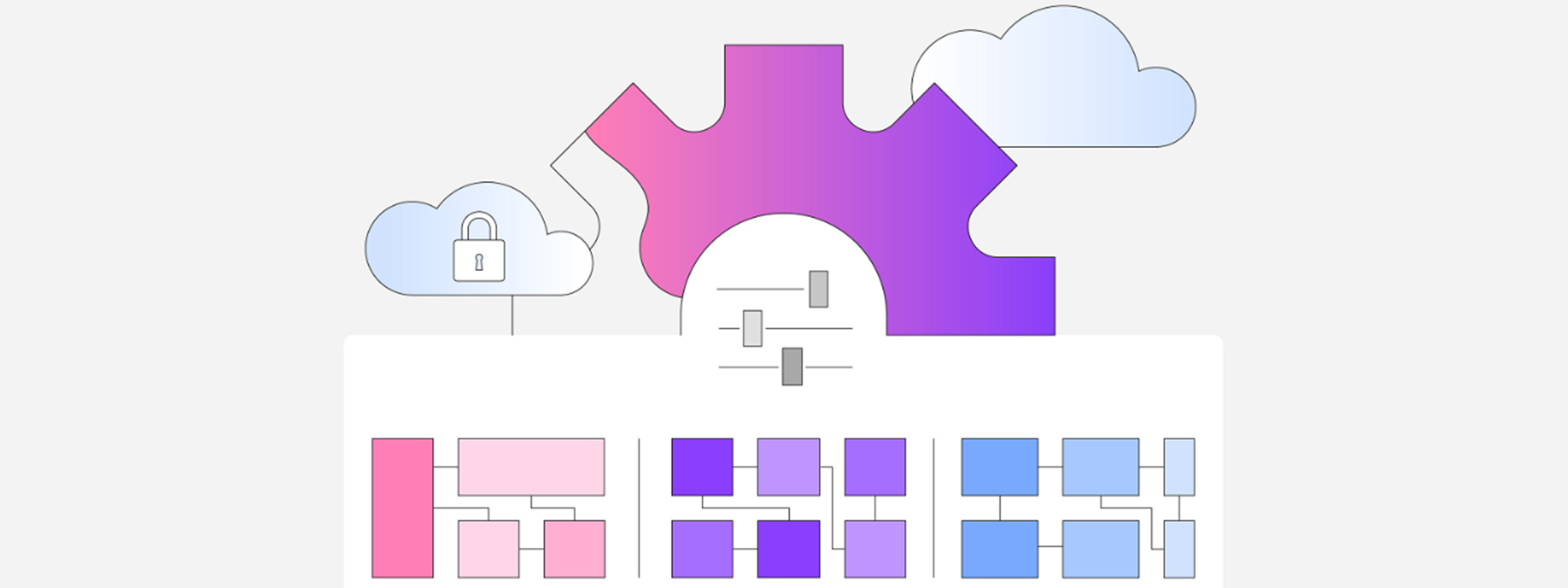
IBM Cloud introduces the IBM Cloud Sovereignty Risk Profile to help organizations demonstrate digital sovereignty. The tool is part of IBM’s Security and Compliance Center Workload Protection and provides continuous monitoring of cloud workloads. It supports demonstrable compliance by translating sovereignty requirements into measurable risk scenarios and producing audit-ready evidence for regulators. Encryption is supported through Keep Your Own Key (KYOK) with FIPS 140-3 Level 4-certified hardware, ensuring customers retain exclusive control of encryption keys and that IBM cannot decrypt customer data. Deployment flexibility includes dedicated Multizone Regions, single-tenant environments, or local partnerships with locally managed data centers. Portability is supported through open technologies such as Red Hat OpenShift and Kubernetes to reduce vendor lock-in. The offering targets highly regulated sectors including government, financial services, and healthcare.
"IBM Cloud introduces the IBM Cloud Sovereignty Risk Profile, a new tool that helps companies demonstrate their digital sovereignty. The solution is part of IBM's Security and Compliance Center Workload Protection and offers continuous monitoring of cloud workloads. Organizations and governments can use it to demonstrate their control over sovereignty, ranging from data residency and encryption to operational independence."
"The first is provability: compliance must be demonstrable, not merely claimed. Through continuous monitoring, the platform translates sovereignty requirements into measurable risk scenarios and delivers audit-ready evidence for regulators. This approach supports organizations that need verifiable proof of control rather than statements of intent."
"Through Keep Your Own Key (KYOK) technology, supported by FIPS 140-3 Level 4-certified hardware, the customer retains exclusive control over their own encryption keys. Not even IBM can decrypt the customer's data. This ensures encryption control remains with the organization while maintaining compliance-grade security assurances."
"Flexibility is central to the third pillar: organizations can choose from dedicated Multizone Regions, single-tenant cloud environments, or local partnerships where data centers are managed by local staff. Finally, the fourth pillar guarantees portability through open technologies such as Red Hat OpenShift and Kubernetes, to prevent vendor lock-in."
#digital-sovereignty #ibm-cloud #kyok #security-and-compliance-center-workload-protection #portability
Read at Techzine Global
Unable to calculate read time
Collection
[
|
...
]