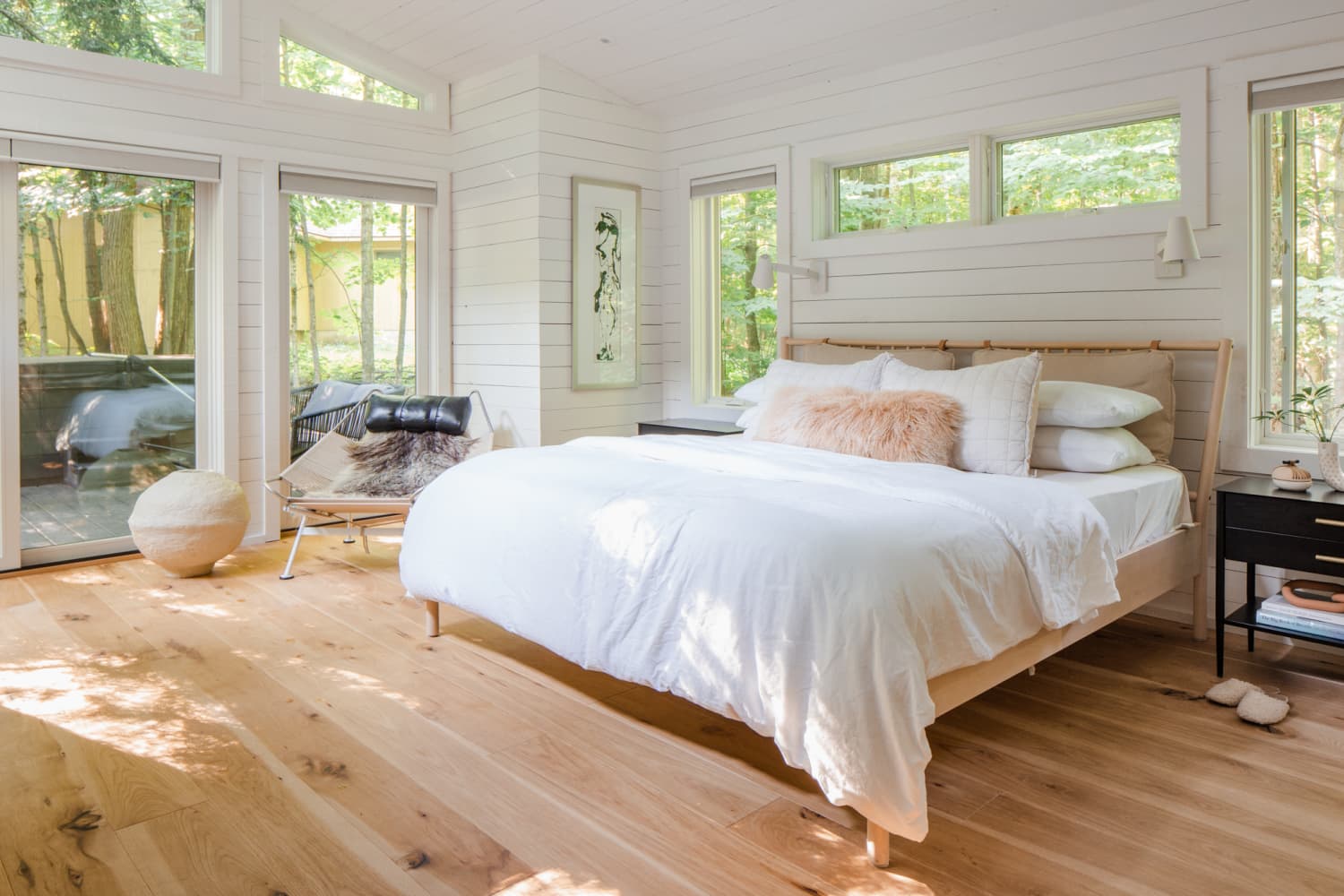
"Before Scandinavian design became synonymous with pale wood floors and clean-lined chairs, it was a response to everyday life in the Nordic countries (Denmark, Norway, Sweden, Finland, and Iceland). It developed in response to the region's long, sun-deprived winters, shaping its emphasis on natural materials, usefulness, and bright interiors. Beyond its cozy sense of "hygge," the Danish concept of contented well-being, Scandinavian design is also philosophical. It reflects an investment in craftsmanship and the belief that well-made objects can - and should - improve daily living."
""Scandinavian design is known for its warmth and simplicity," says architect Karen Frome, owner and founder of New York-based Rise Projects. "Their theory is that design should be present in all aspects of life to enrich and elevate the everyday experience. It creates a beautiful and eminently livable aesthetic, but more importantly, it maintains that design is for everyone and not a luxury commodity. " That democratic spirit helped make Scandinavian design one of the most influential global aesthetics of the 20th century. Namesake designers like Alvar Aalto, Arne Jacobsen, and Hans Wegner created pieces that weren't just visually striking; they were also pragmatic and eternally in style. That unpretentious, practical mentality still shapes Scandinavian interiors today."
"At its core, Scandinavian design is a balancing act: Simple but not sterile, thoughtful without trying too hard, and utilitarian yet not rigid. It leans minimalist in its style, yes, but softened by tactile materials and inviting textures. Most importantly, its design is defined not just by how a space looks but how it feels."
Scandinavian design grew from practical responses to long, sun-deprived Nordic winters and prioritizes natural materials, usefulness, and bright interiors. The aesthetic couples minimalism with warmth through tactile materials and inviting textures. A focus on craftsmanship supports the belief that well-made objects should improve everyday living and be accessible rather than elitist. Hygge contributes an emphasis on comfort and contented well-being. Influential designers produced pragmatic, timeless pieces that shaped global taste. The style measures success by how spaces feel and function as much as by how they look.
Read at Apartment Therapy
Unable to calculate read time
Collection
[
|
...
]