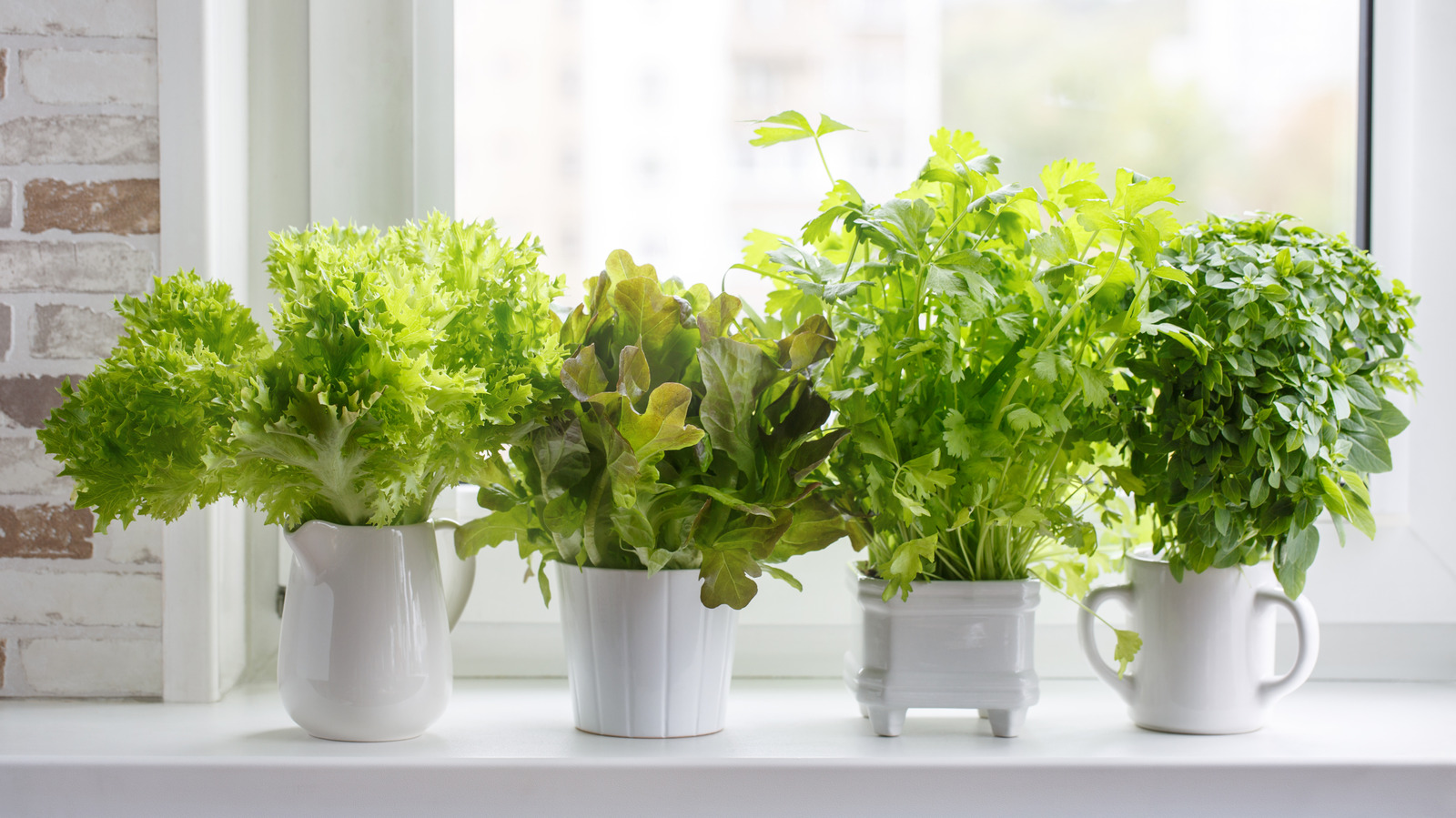
"As cute and minimalistic as Willy Guhl's planters from the 1950s and 60s may look, these retro pots are made with Eternit, a fiber-like cement material now known for containing asbestos. Guhl made a name for himself crafting planters out of Eternit, which critics praised for their unique shapes, textures, and functionality. He crafted round planters, square planters, hourglass-shaped planters, and just about everything in between, until the collection was officially discontinued in 1980 due to the revelation of asbestos."
"Asbestos, in case you need to brush up, is extremely dangerous because the nearly invisible fibers can become lodged in the human body and lead to cancers, lung damage, and even skin damage - and Guhl's pieces are absolutely full of it. Even though Julia Child once baked with asbestos for extra crackly bread, it's not a material you want to keep around the house, especially not where you'll be growing herbs for consumption."
"Willy Guhl's pieces pop up in various thrift stores and resale websites, even if these 16 vintage kitchen brands are truly the ultimate thrift store find. Some auction sites show the uniquely-shaped (and totally unmistakable) planters going for as much as $2,400, while other sites show smaller planters going for around $280. But, interestingly, not every resale site mentions the risk of asbestos in the pieces."
Willy Guhl produced minimalist planters in the 1950s and 60s using Eternit, a fiber-like cement that contains asbestos. Those planters were praised for unique shapes, textures, and functionality but the collection was discontinued in 1980 after asbestos was revealed. Asbestos fibers are nearly invisible, can lodge in the body, and cause cancers, lung damage, and skin damage. Guhl planters frequently appear in thrift stores and online resale sites, sometimes selling for hundreds to thousands of dollars, though some listings omit asbestos warnings. Historical uses of asbestos included culinary applications by some figures, but such uses are unsafe. Avoid keeping or using these planters indoors or for growing edible herbs.
Read at Tasting Table
Unable to calculate read time
Collection
[
|
...
]