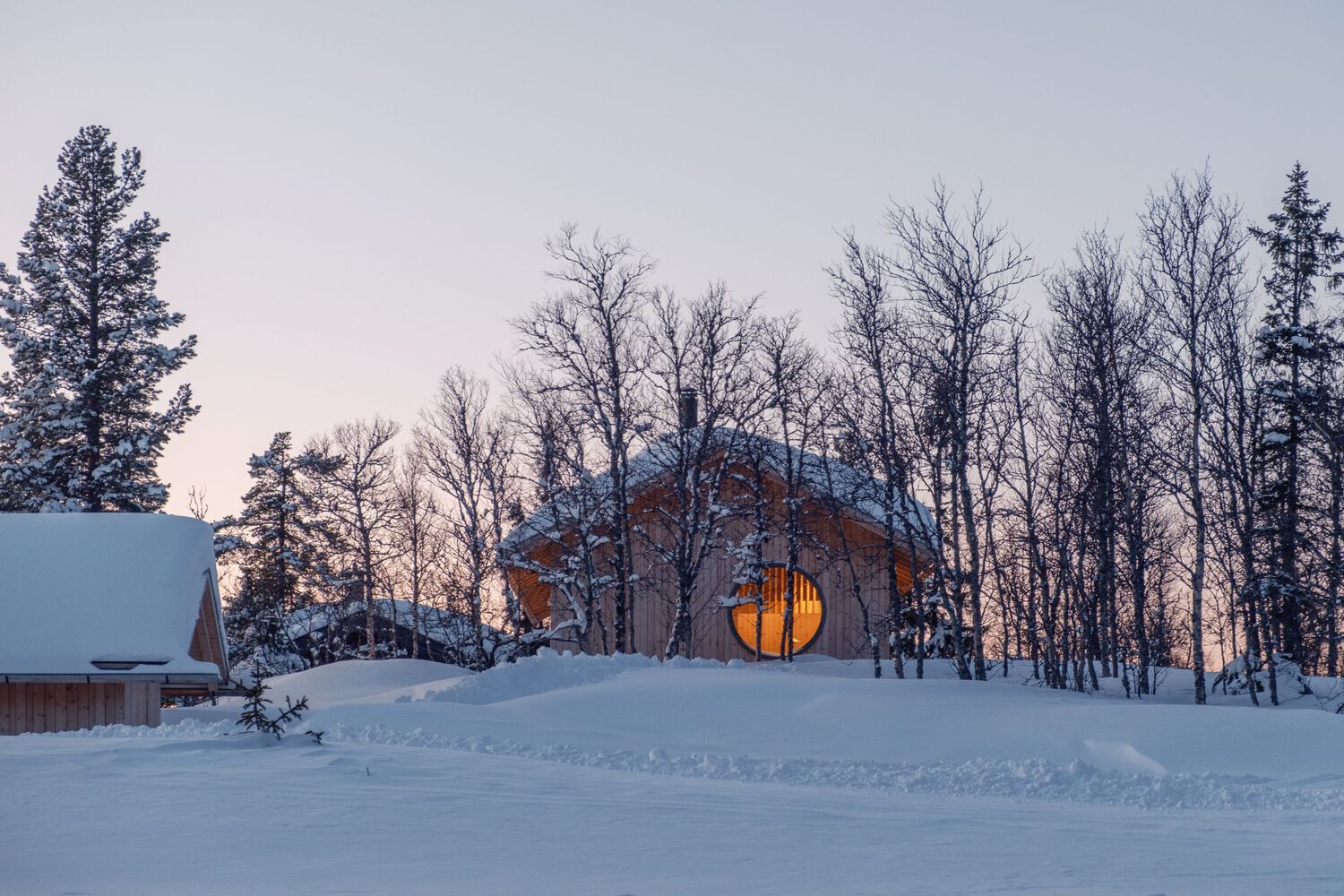
"Buildings that welcome visitors across cities, forests, and coastlines must respond directly to darkness and cold, not by denying them, but by creating interior worlds that offer orientation, warmth, and psychological relief. The act of welcoming in Scandinavia is therefore inseparable from the climate, grounded in the understanding that shelter, light, and human presence are fundamental resources in Arctic environments."
"The value of light in Scandinavian hospitality cannot be overstated, as it serves not only as a visual necessity but also as a cultural and social instrument shaped by scarcity. Limited daylight heightens awareness of its presence, encouraging architectural strategies that frame, soften, and conserve light rather than disperse it indiscriminately. This sensitivity has given rise to concepts such as hygge in Denmark and koselig in Norway, which articulate comfort, intimacy, and collective warmth as essential responses to environmental constraint."
Harsh Scandinavian winters with limited daylight, low sun angles, deep snowfall, and cold winds require deliberate design choices that shape movement, gathering, and habitation. Architecture responds by creating interior worlds that acknowledge darkness and cold, offering orientation, warmth, and psychological relief rather than denying environmental conditions. Shelter, light, and human presence are treated as fundamental Arctic resources. Scarcity of daylight makes light a cultural and social instrument, prompting strategies that frame, soften, and conserve illumination. Lived practices such as Danish hygge and Norwegian koselig prioritize intimacy, collective warmth, and scaled spaces to support togetherness during extended periods of darkness.
Read at ArchDaily
Unable to calculate read time
Collection
[
|
...
]