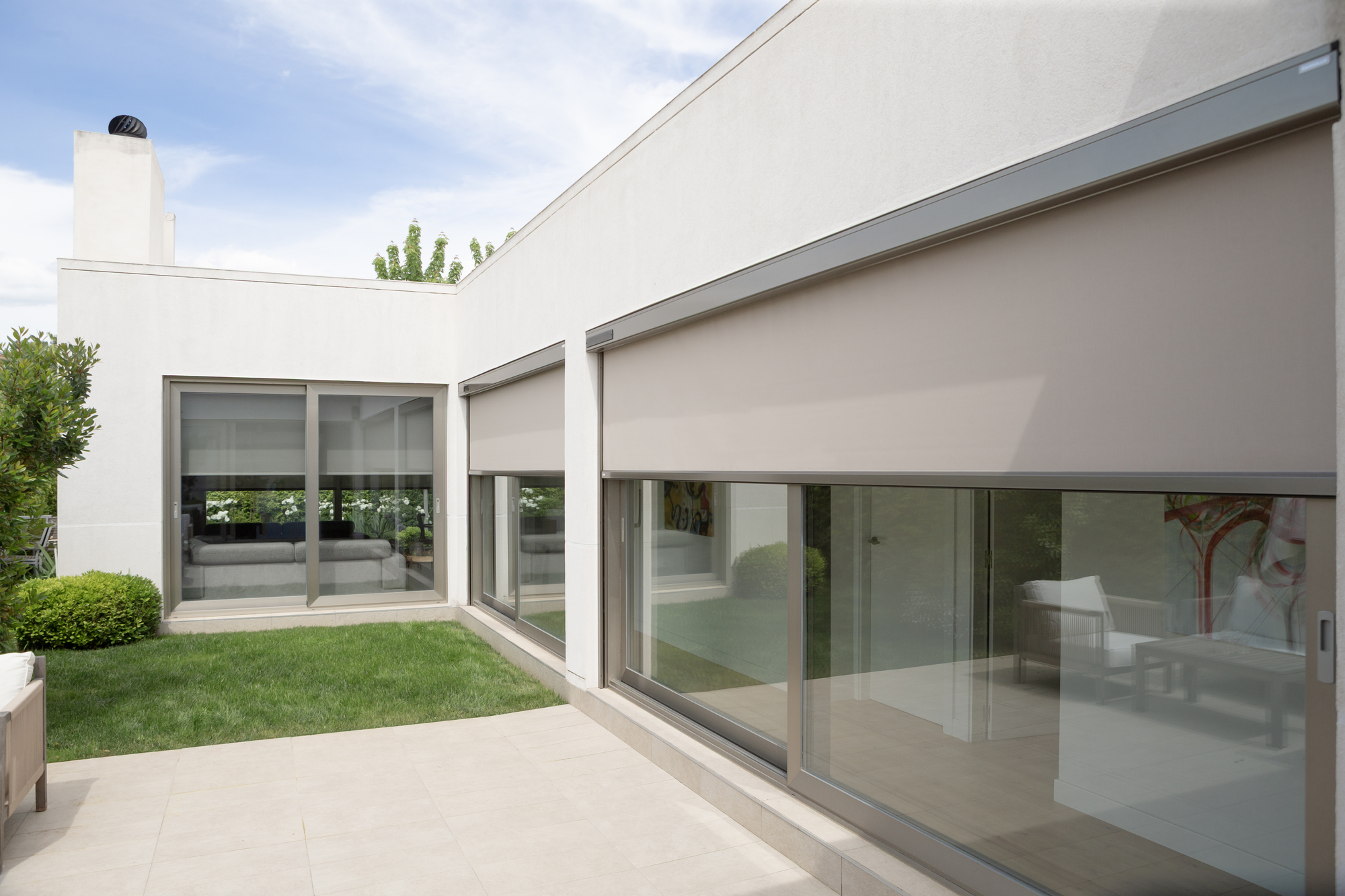
Light and shadow in architecture shape circulation, spatial directionality, and emphasize colors, textures, and forms of architectural elements. Natural light on facades necessitates strategies for energy savings, improved thermal and visual interior comfort, and carbon emission reduction. Treating light as a material enables manipulation of atmosphere, perception, and performance in buildings. Historical figures such as Le Corbusier, Alvar Aalto, Louis I. Kahn, and Luis Barragán explored penumbra and the sensory power of light. Contemporary dynamic facades adapt functions and characteristics to environmental conditions to optimize solar protection, shading, and natural ventilation. Motorized shading solutions like Z-Box Solar provide practical facade responses without complex electrical installation.
"Spaces of light and darkness are conceived to enhance circulation and spatial directionality, as well as to highlight the colors, textures, and forms of specific architectural elements. That said, the impact of natural light on building facades reveals the need to develop strategies that support energy savings, improve the thermal and visual comfort of interior spaces, and promote the reduction of carbon emissions."
"From Le Corbusier and Alvar Aalto to Louis I. Kahn and Luis Barragán, many architects have sought to explore the importance of light, shadow, and penumbra, considering them essential elements of the spatial experience. While both light and shadow have inspired and fascinated humanity since ancient times, these intangible and ephemeral elements have, over the years, demonstrated their value as fundamental resources in architectural design beyond their poetic and sensory dimensions."
Read at ArchDaily
Unable to calculate read time
Collection
[
|
...
]