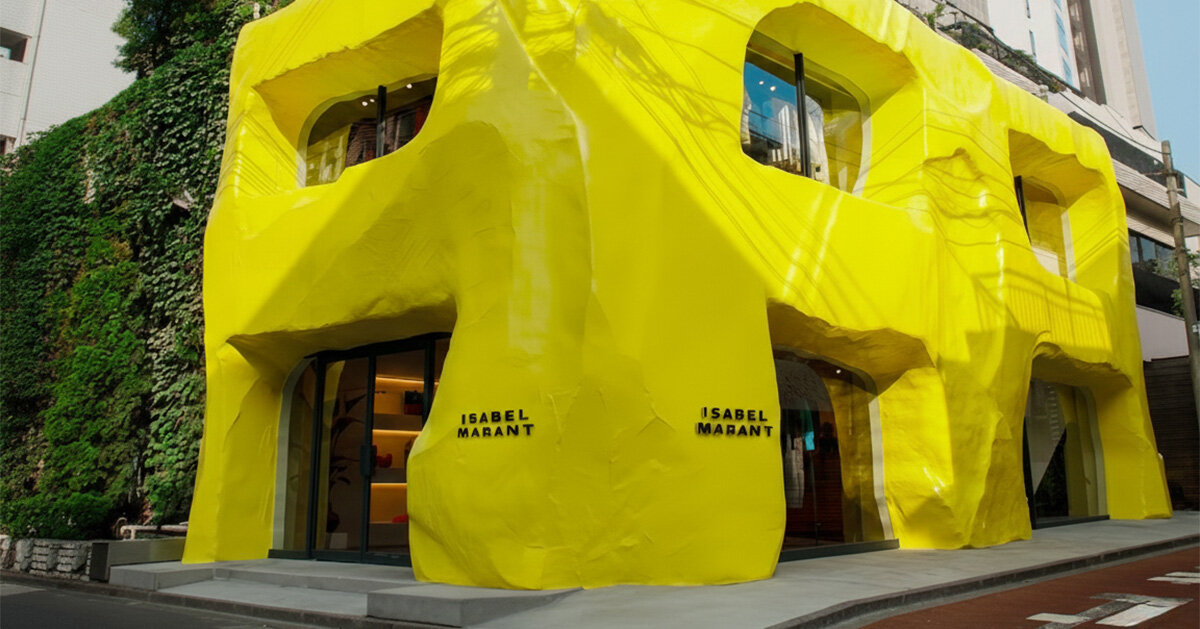
"In an age when storefronts compete for attention in both the physical and digital realms, some brands are taking retail facades to fantastical new heights. From Tokyo to Toronto, brands are embracing sculptural exteriors, oversized surreal forms, and material experimentation to turn their storefronts into immersive visual landmarks. Imagine a luxury boutique shaped as a giant ship docked on a city street, or a jewelry storefront bursting open as a life-sized elephant strides out. These are real examples of conceptually quirky, surreal, and sculptural facades around the world. Far from mere branding gimmicks, these facades invite passersby into a story or even a dreamscape before they ever step inside.designboom several recent standout projects and the playful design nature behind them, from giant objects-as-buildings to material wizardry and nature-inspired fantasies."
"A precedent for these experiments can be traced back to the early 1970s, when James Wines and his New York-based architecture studio SITE designed a series of conceptually charged facades for the now-defunct BEST Products company. These included a crumbling brick wall, a forest piercing through the showroom, and a facade that opened like a mechanical drawer. While most of them have since been lost, their influence is undeniable. Wines' ironic, often cheeky approach to the commercial box paved the way for contemporary facades that defy expectations. SITE treated each facade as 'a subject matter for art,' turning the dull masonry boxes into ironic sculptures and visual commentary. Their designs for BEST stores became legendary in retail design and foreshadowed today's push for experiential retail. They proved facades could be cheeky, conversation-starting, and participatory, essentially Instagrammable long before Instagram."
Retail facades are evolving into sculptural, surreal landmarks that compete across physical and digital realms. Designers and brands are using oversized forms, material experimentation, and nature-inspired motifs to craft storefronts that function as immersive visual narratives. Notable examples include boutiques shaped like a docked ship and storefronts featuring life-sized animals emerging from the facade. The experimental approach has roots in James Wines' SITE projects from the 1970s, which treated facades as art and introduced irony and spectacle to commercial architecture. These facades aim to engage passersby, spark conversation, and create memorable, experiential retail encounters.
Read at designboom | architecture & design magazine
Unable to calculate read time
Collection
[
|
...
]