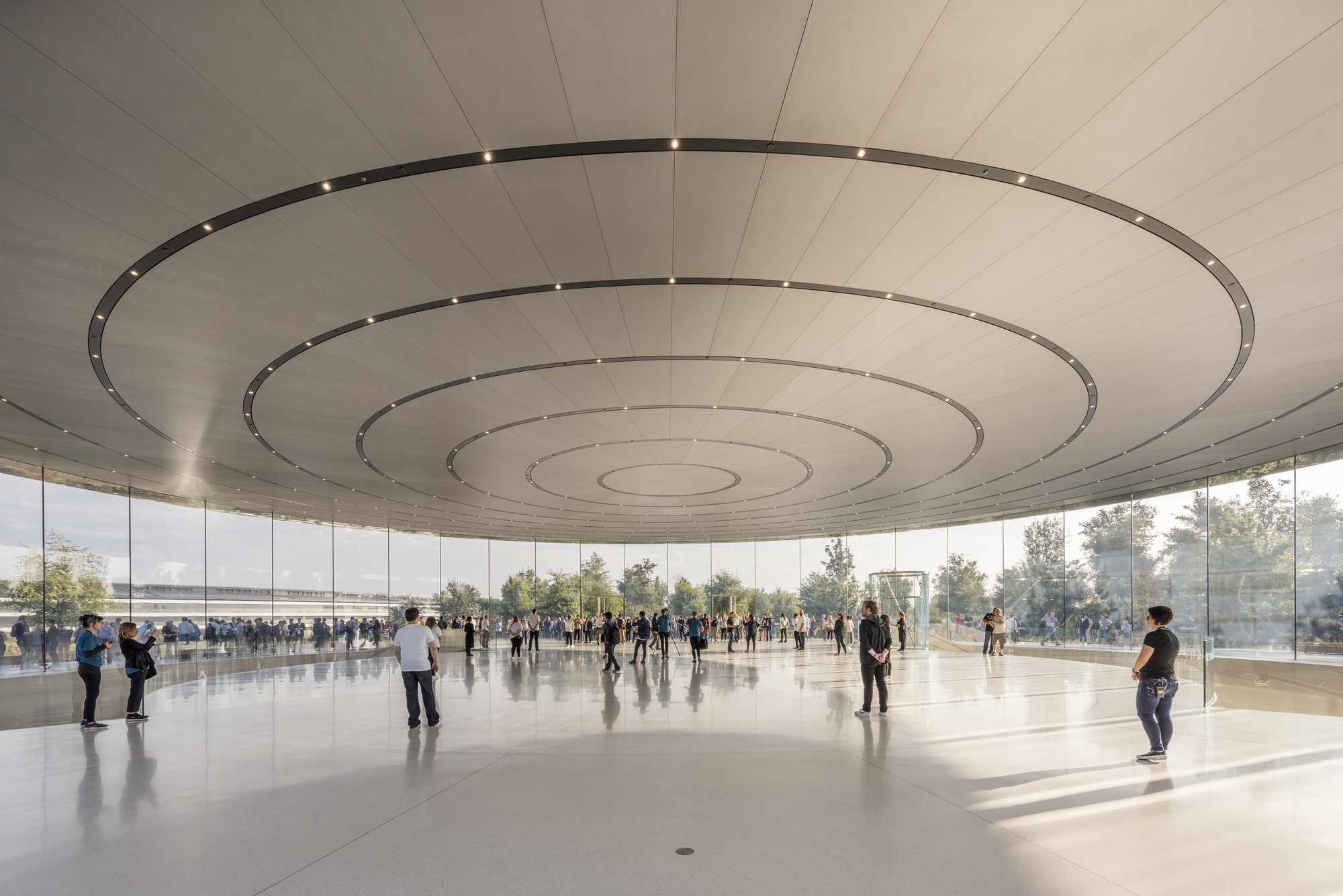
"Once confined to the aerospace and automotive industries, composite materials have taken on an increasingly central role in contemporary architecture. By combining two or more components, such as fibers and polymers, they offer lightness and strength, high durability, formal freedom, and enhanced environmental performance. Their incorporation into architectural practice marks a profound transformation in how we design, fabricate, and inhabit space."
"Among the most promising applications of composites in architecture are façades. Lightweight and moldable, they allow for the creation of continuous, curved, and three-dimensional surfaces with millimetric precision, significantly reducing both structural load and installation time. In addition to offering high mechanical strength and corrosion resistance, they require little maintenance and can incorporate thermal or acoustic insulation directly into the system."
Composite materials combine fibers and polymers to deliver lightness, strength, high durability, formal freedom, and improved environmental performance in architecture. They enable lighter, more expressive, and more efficient buildings and components, facilitating fluid surfaces, large spans, and complex geometries with minimal waste and reduced maintenance. Composites blur boundaries between structure and expression and allow integration of thermal and acoustic insulation within building envelopes. Façade systems using glass-fiber-reinforced polymer (GFRP) panels can form continuous, curved, three-dimensional skins with millimetric precision, lower structural loads, faster installation, and resistance to urban corrosion, while supporting modular, symbolic, and industrial design strategies.
Read at ArchDaily
Unable to calculate read time
Collection
[
|
...
]