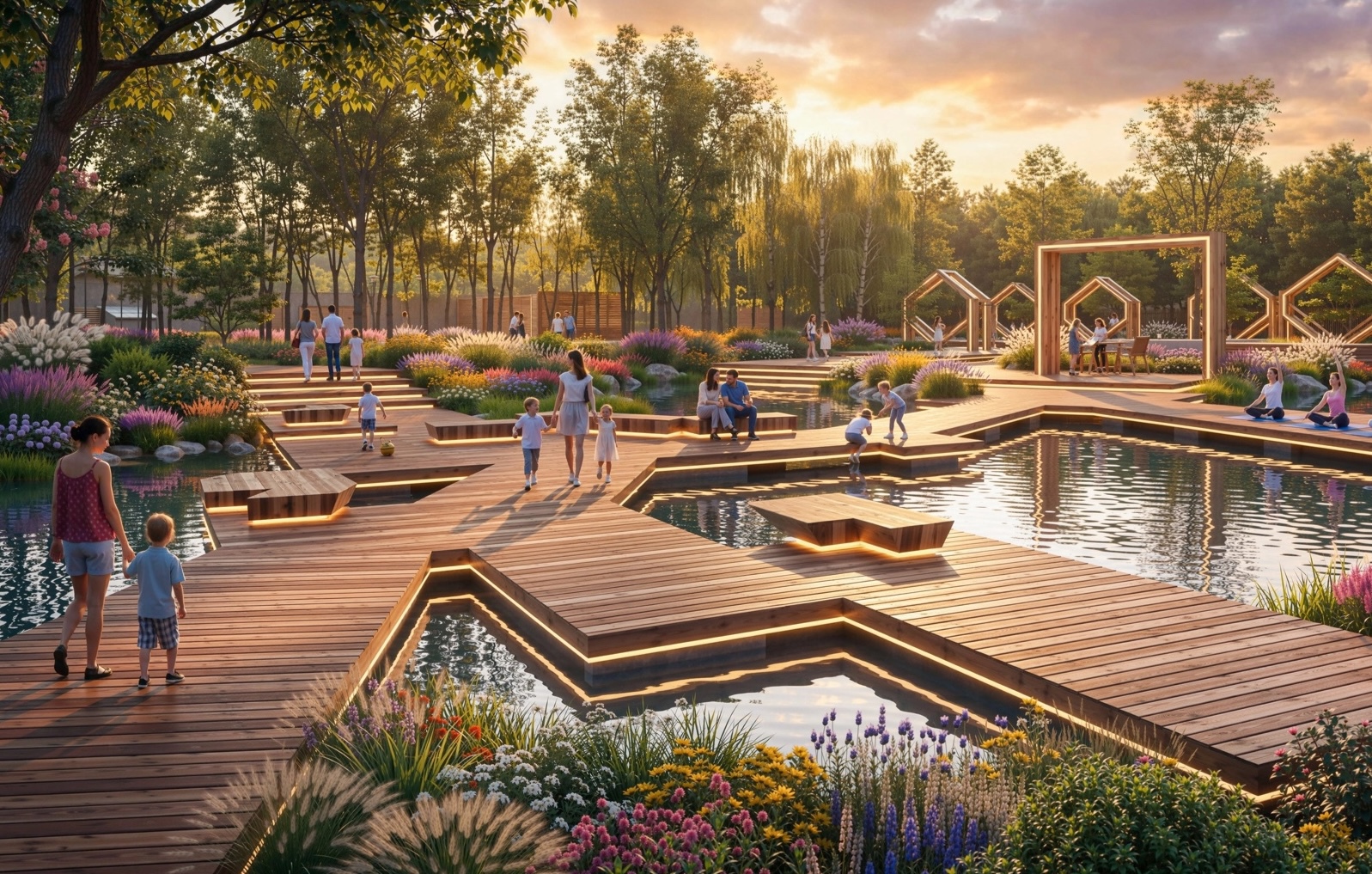
"For much of modern architectural history, images have functioned as interpretive tools rather than literal records. Renderings, drawings, and competition visuals were traditionally understood as speculative instruments, offering atmospheres, intentions, and possible futures rather than fixed realities. This ambiguity allowed architects to communicate ideas that were still in formation, and it shaped a visual culture in which representation was valued as much for its suggestive quality as for its precision."
"The rapid development of AI-based visualization tools accelerated this transition. Hyper-real imagery began circulating widely across platforms such as Instagram, WhatsApp, Telegram, and other digital networks, reducing the distance between professional production and public perception. Images that were once viewed primarily in juries, studios, or client meetings became part of everyday visual culture, often detached from the technical drawings, datasets, or contextual explanations that had previously framed them. As a result, architectural imagery increasingly carried expectations of clarity, reliability, and transparency."
For much of modern architectural history, images functioned as interpretive tools rather than literal records. Renderings, drawings, and competition visuals operated as speculative instruments offering atmospheres, intentions, and possible futures instead of fixed realities. As images entered wider public circulation and moved beyond professional contexts, their role expanded into objects of public interpretation, discussion, and dispute. The rapid development of AI-based visualization tools produced hyper-real imagery that circulated widely on social platforms, detaching visuals from technical drawings and contextual explanations. As a result, architectural imagery began to carry expectations of clarity, reliability, and transparency, prompting practices to document and present images more carefully.
#architectural-visualization #ai-generated-imagery #public-perception-of-design #image-documentation
Read at ArchDaily
Unable to calculate read time
Collection
[
|
...
]