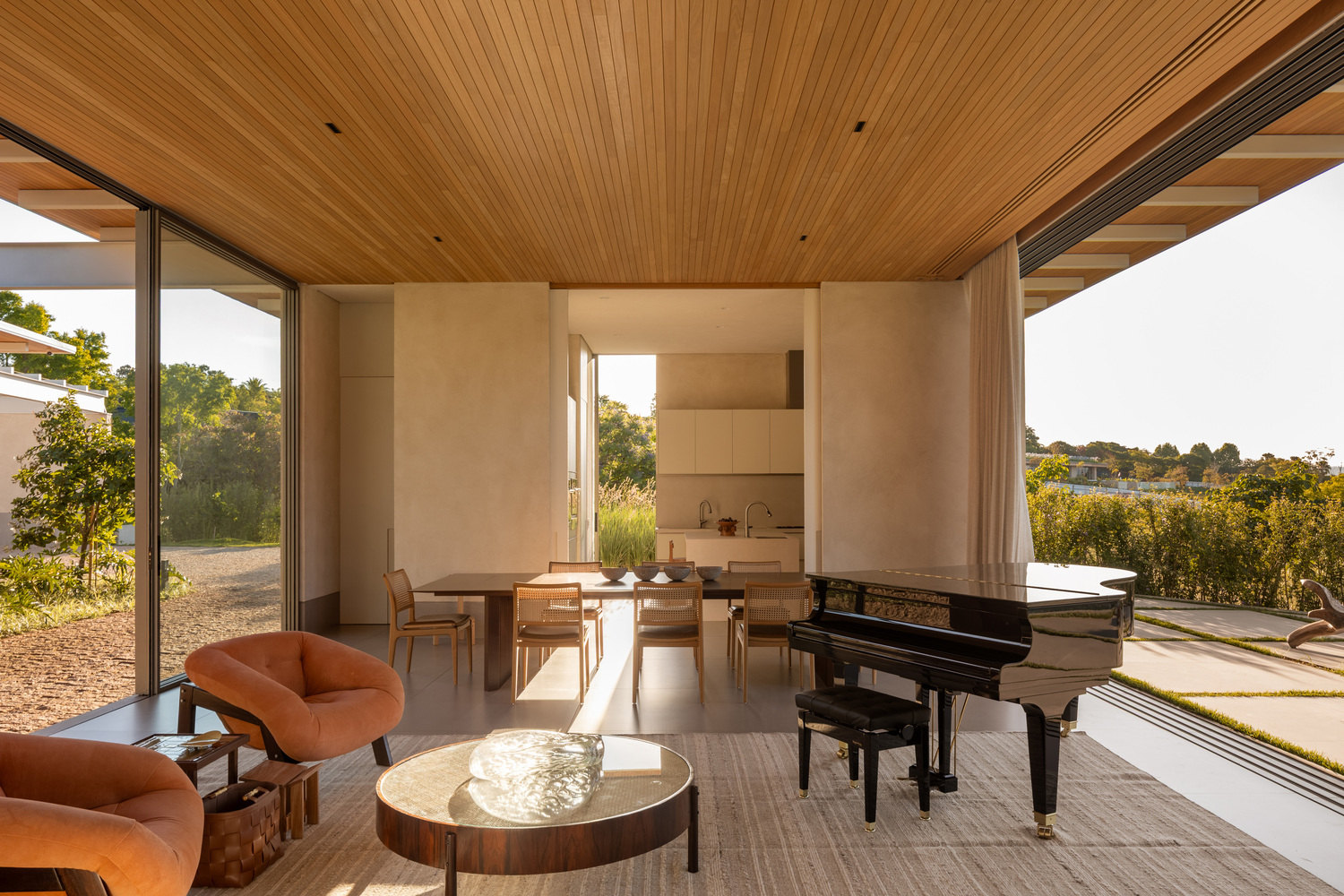
"Beyond material palettes and natural light, sound plays a defining role in how spaces are perceived and inhabited. The reverberation of footsteps across stone, the muted calm of a textile-lined room, or the way music carries through an open-plan interior all shape the sensory identity of domestic space. Architecture is experienced not only visually, but acoustically."
"In residential architecture, sound is more than background noise or technical performance; it influences privacy, concentration, rest, and emotional comfort. Geometry and materiality act as the primary acoustic conductors: while concrete, glass, and stone reflect and amplify, timber and upholstery soften and absorb. Ceiling heights, circulation paths, and room proportions further shape how sound travels and settles across a space."
"In these interconnected layouts, acoustic planning must be as integral as the structural grid. Kitchens merge into living areas, hallways become extensions of social space, and terraces connect indoor and outdoor environments acoustically as much as visually. In these conditions, professional multi-zone audio systems begin to function as part of the architecture itself, integrated into how spaces are organized, occupied, and experienced throughout the day."
"A single unit can create up to four independent zones while powering up to 24 Sonos Architectural speakers through eight amplified outputs delivering 125 watts each at 8 ohms. In practice, this allows quieter and more localized sound environments in bedrooms"
Sound shapes how homes are perceived and inhabited beyond visual design. Reverberation, absorption, and transmission determine the sensory identity of domestic spaces. The soundscape concept links people, sound, and the built environment, treating sound as more than background noise or technical performance. In residential architecture, materials and geometry act as acoustic conductors: concrete, glass, and stone reflect and amplify, while timber and upholstery soften and absorb. Ceiling heights, circulation paths, and room proportions influence how sound travels and settles. Blurred boundaries in open-plan homes require acoustic planning alongside structural planning. Multi-zone audio systems can integrate with architectural organization by creating independent sound zones across the home.
Read at ArchDaily
Unable to calculate read time
Collection
[
|
...
]