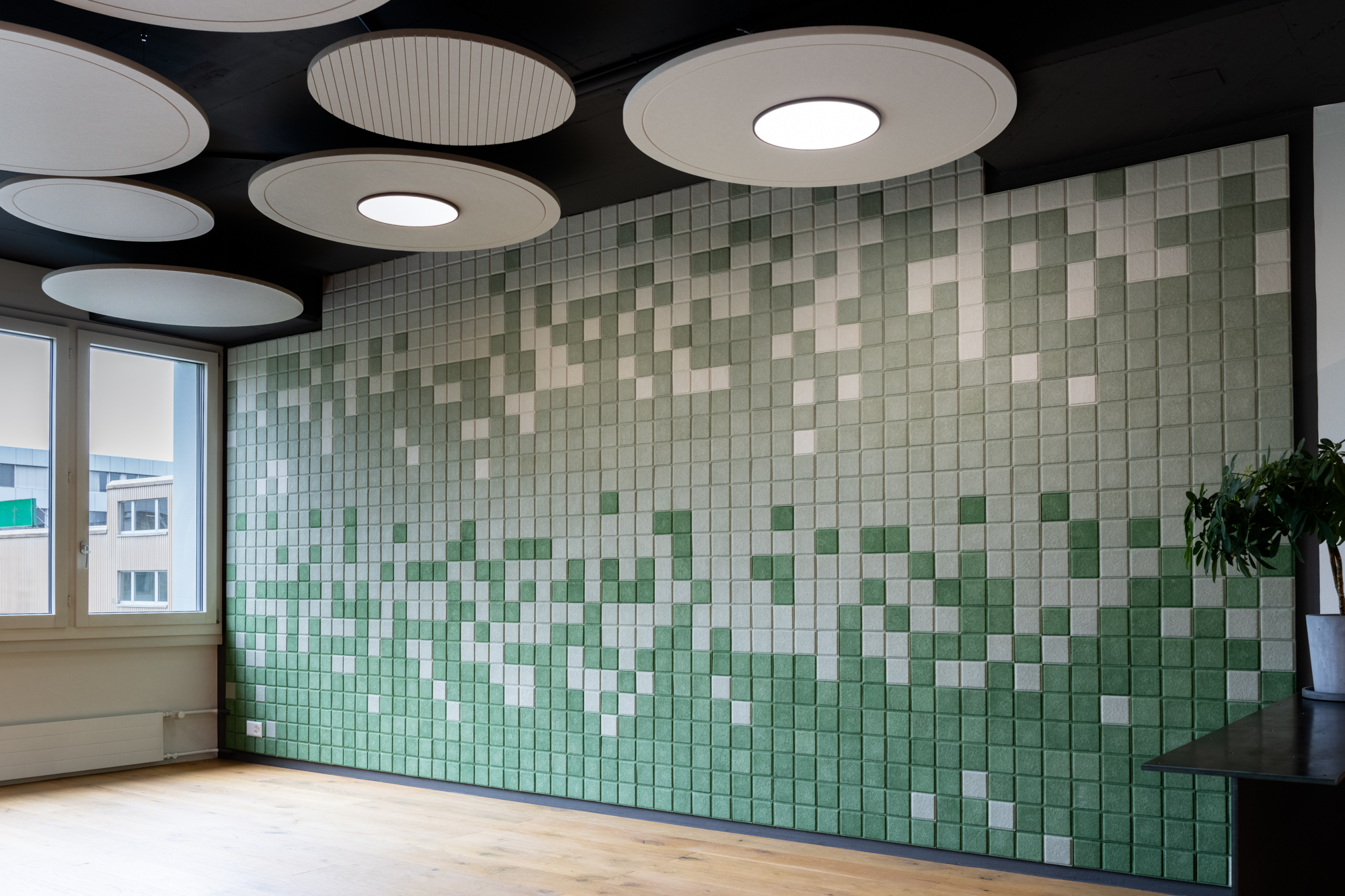
Sound often defines a space before visual elements are noticed, shaping perception through unseen vibrations. Computational design integrates acoustics and aesthetics, enabling architects to design structures where sonic performance and visual form are co-developed. Advanced algorithms convert complex parameters into adaptable rules that evolve with material and spatial constraints. Parametric logic and material innovation produce bespoke acoustic elements that balance efficiency, sustainability, and expressive design. Bio-inspired patterns—flocks, waves, organic rhythms—translate into engineered acoustic solutions that function as both performance systems and sculptural surfaces. Digital tools facilitate collaboration among clients, designers, and manufacturers to realize tailored acoustic visions.
"Architecture is often communicated through structure and surfaces, yet one of its most essential components moves unseen through the air: sound. It shapes how a space feels long before a wall or ceiling is noticed. Computational design brings these dimensions together, allowing architects and designers to create unique structures where acoustics and aesthetics inform one another rather than exist in parallel."
"Computational design allows architects to tune sound through patterns that feel both organic and meticulously engineered. The arcs of a flock, the movement of a wave, the rhythm of organic systems: these natural patterns increasingly translate acoustic solutions into functional art. Architects and designers, such as the team at the Swiss-based manufacturing company Impact Acoustic and its Impact Lab led by Arch and Design Manager Mariusz Polski, MSc. Arch, demonstrate how algorithmic thinking expands what is possible beyond sketches or physical models, intersecting materials with computational logic."
Read at ArchDaily
Unable to calculate read time
Collection
[
|
...
]