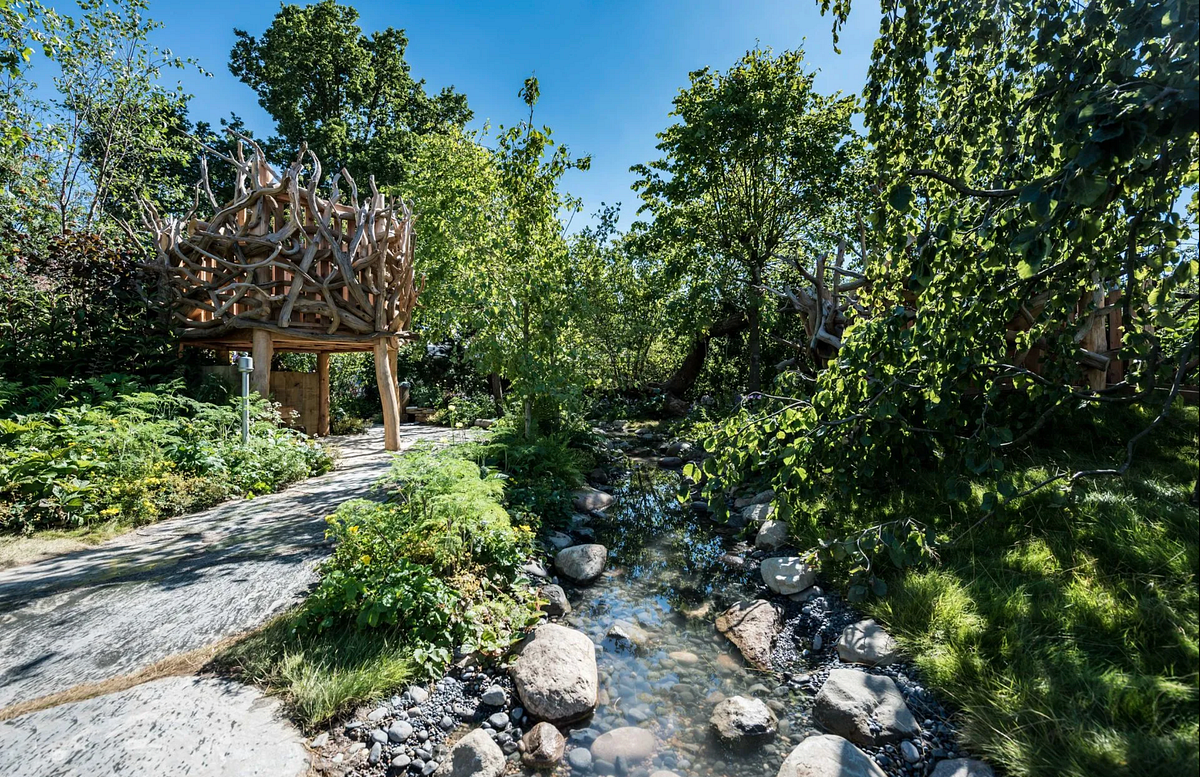
Biophilic design champions integrating natural elements into buildings, public spaces, and systems to improve human health, resilience, and environmental regeneration. Industry leaders—architects, interior designers, urban planners, creatives, and innovators—are collaborating to scale nature-based solutions across cities. Historic urban context and cultural landmarks can provide inspiration for embedding wonder and ecological function into contemporary design. The movement emphasizes systemic change rather than isolated projects, seeking regenerative outcomes that reconnect people to nature, enhance well-being, and bolster urban resilience. Events and conferences accelerate knowledge sharing, practical strategies, and cross-disciplinary partnerships to mainstream biophilic principles in policy and practice.
"As I step off the train at London's Victoria Station and make my way through the concourse, I can't help but feel part of something. Maybe I've been exclusively working from home for too long. Maybe it's the separation from the human energy of urban centres. Or maybe it's simply excitement for where I'm heading today. I join the commuters spilling out into the surrounding streets like a burst dam, meandering through buses, traffic lights and signposts."
"Suddenly, in front of me, the gothic towers of Westminster Abbey rise up. I ponder the pioneering architects who imagined it, and the brave souls who built it. I consider the sovereigns it's crowned, wedded and mourned, and the wonderful sense of awe it's provided through the ages. Before I've taken a dozen more steps, I hear the famous chimes of Big Ben. It appears behind the Abbey, a golden marvel glittering in the gloom."
"It's the perfect introduction to my purpose today: the 2nd Biophilic Design Conference in Central Hall Westminster, London. A wonderful event that brings together the world's leading architects, interior designers, urban planners, creatives and innovators - with a mission to create a healthier, more resilient and regenerative world. Here are my reflections on a day spent exploring a vibrant, biophilic future."
Read at Medium
Unable to calculate read time
Collection
[
|
...
]